BY INNOCENT KIIZA
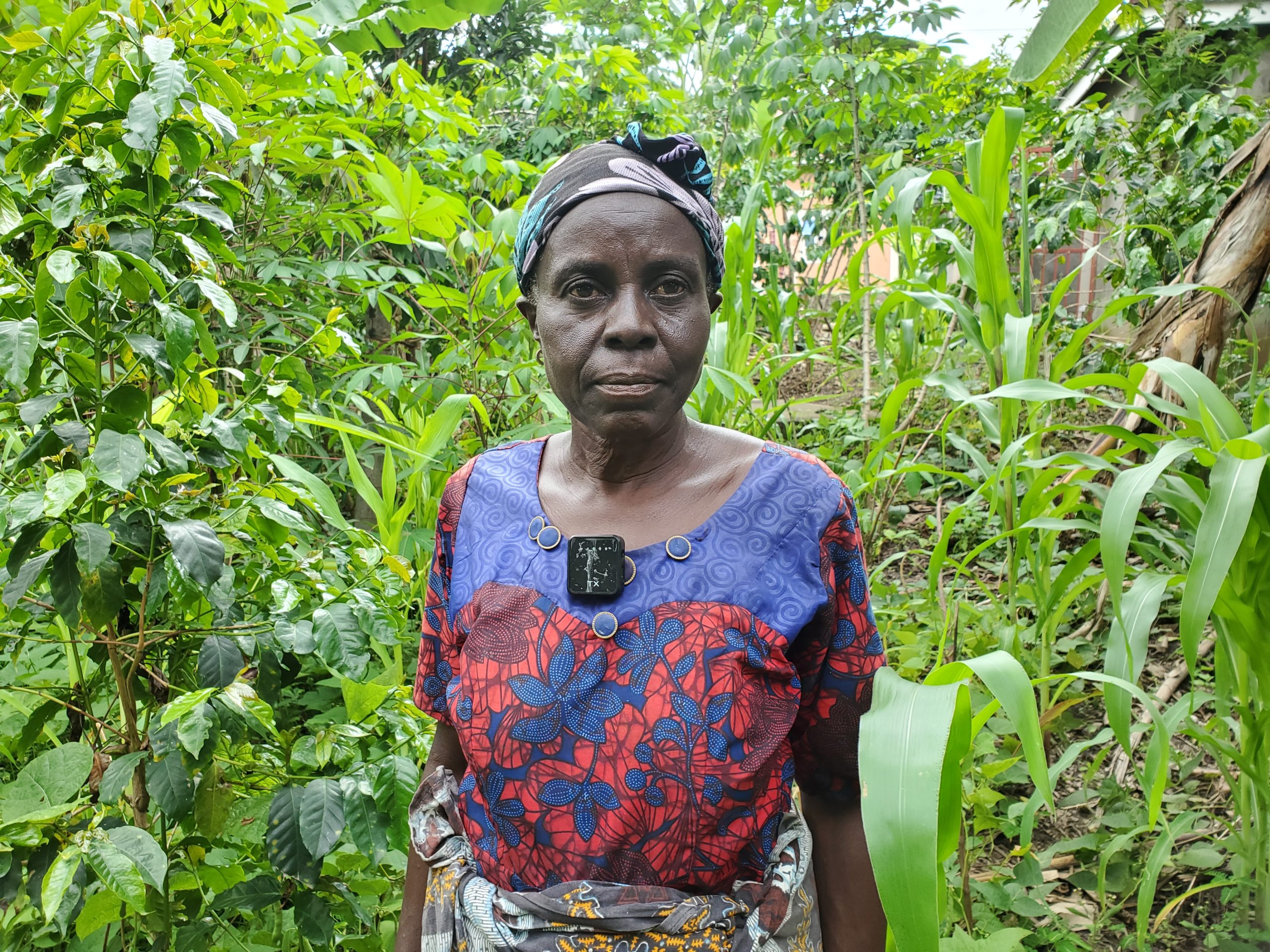
Standing in his coffee garden in Ganyenda-Kinoni Parish, Kamwenge District, Isidoro Ndyabwe carefully examines rows of young trees stretching across his farm. A few years ago, the land looked very different. His coffee plants struggled under the scorching sun, and he knew little about how trees could improve both his harvest and the environment.
Today, towering mahogany, grevillea, musizi, and avocado trees provide shade for his coffee plantation. The transformation has not only improved his farm but also earned him recognition as one of Kamwenge District’s best-performing model farmers.
“Before ECOTRUST came, I had a coffee garden but lacked knowledge about the importance of shade trees,” Ndyabwe says with a smile. “Through the project training, I learned how integrating trees into my farm could improve coffee production and protect the environment.
I received 837 tree seedlings, and I am proud that all of them are growing well,”Ndyabwe added.
For Ndyabwe and thousands of farmers across Uganda, agroforestry is becoming more than just a farming practice—it is a pathway to climate resilience, food security, and improved livelihoods.
As climate change continues to fuel prolonged droughts, unpredictable rainfall, floods, and declining soil fertility, the Government of Uganda and its partners are turning to nature-based solutions to help communities adapt.
One such intervention is the Intensive Mixed-Use Agroforestry Systems on Household Plots Project, designed to promote sustainable land use and climate-smart agriculture across Uganda.
The initiative is being implemented by Catholic Relief Services (CRS) in partnership with the International Centre for Research in Agroforestry (ICRAF) and the Environmental Conservation Trust of Uganda (ECOTRUST). CRS, contracted by the Ministry of Water and Environment as the lead consultant, works alongside ECOTRUST, which oversees implementation in refugee-hosting districts including Kamwenge, Lamwo, Kagadi, Kakumiro, and Kitagwenda.
According to ECOTRUST Executive Director Pauline Nantongo Kalunda, the project was designed to increase the adoption of agroforestry practices among refugee-hosting communities in 19 districts across Northern and Western Uganda.
“Agroforestry addresses environmental degradation, improves food security, and enhances household livelihoods through the integration of trees, crops, and livestock within farming systems,” Kalunda explains.
The two-year intervention focused on transforming farming systems, restoring degraded landscapes, and improving land productivity while strengthening the resilience of vulnerable communities.
Speaking during the launch of the ECOTRUST Impact Report, Kalunda said the project targeted 87,782 households and aimed to restore 17,550 hectares of degraded land through community-led conservation efforts.
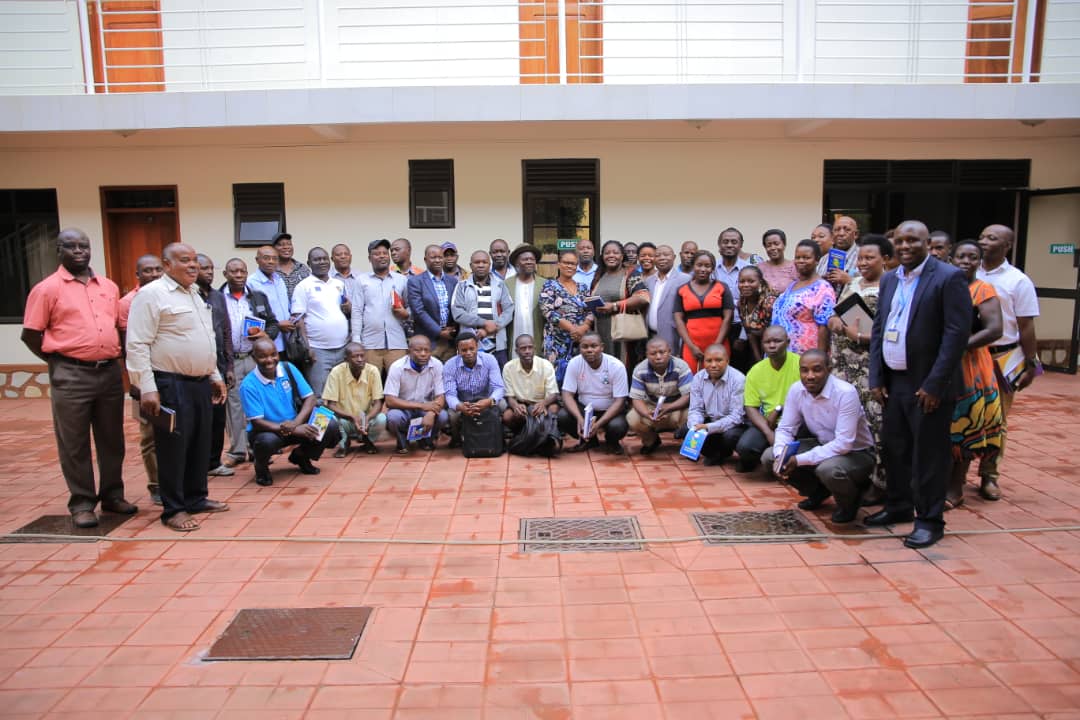
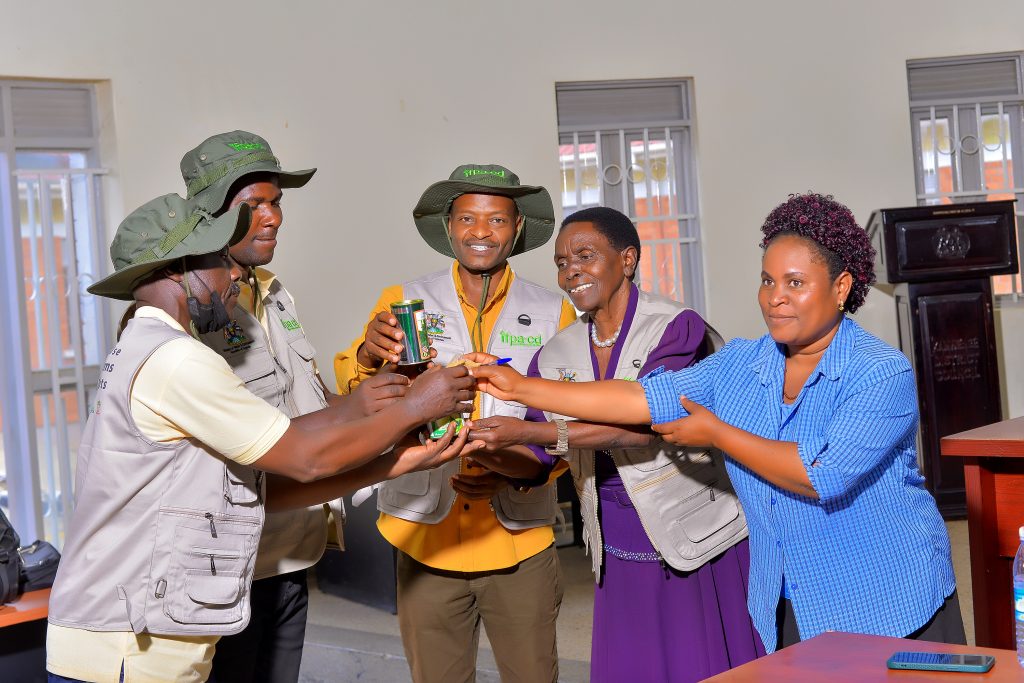
As the project draws to a close, ECOTRUST has celebrated 14 outstanding model farmers from 14 parishes across Kamwenge District for their exceptional commitment to tree planting and sustainable farming.
The farmers were selected from Kamwenge, Nkoma, Bwizi, and Kahunge sub-counties, representing parishes including Bisozi, Kaberebere, Kidunduma, Mabale, Businge, Ganyenda, Kiziba, Kyabandara, Bwizi, Kyakaitaba, Ntonwa, Kiyagara, Mpanga, and Nyakahama.
Each farmer received more than 5,000 tree seedlings of various species, which they planted and nurtured on their farms. Their efforts have contributed significantly to restoring degraded landscapes while demonstrating how farming and environmental conservation can go hand in hand.
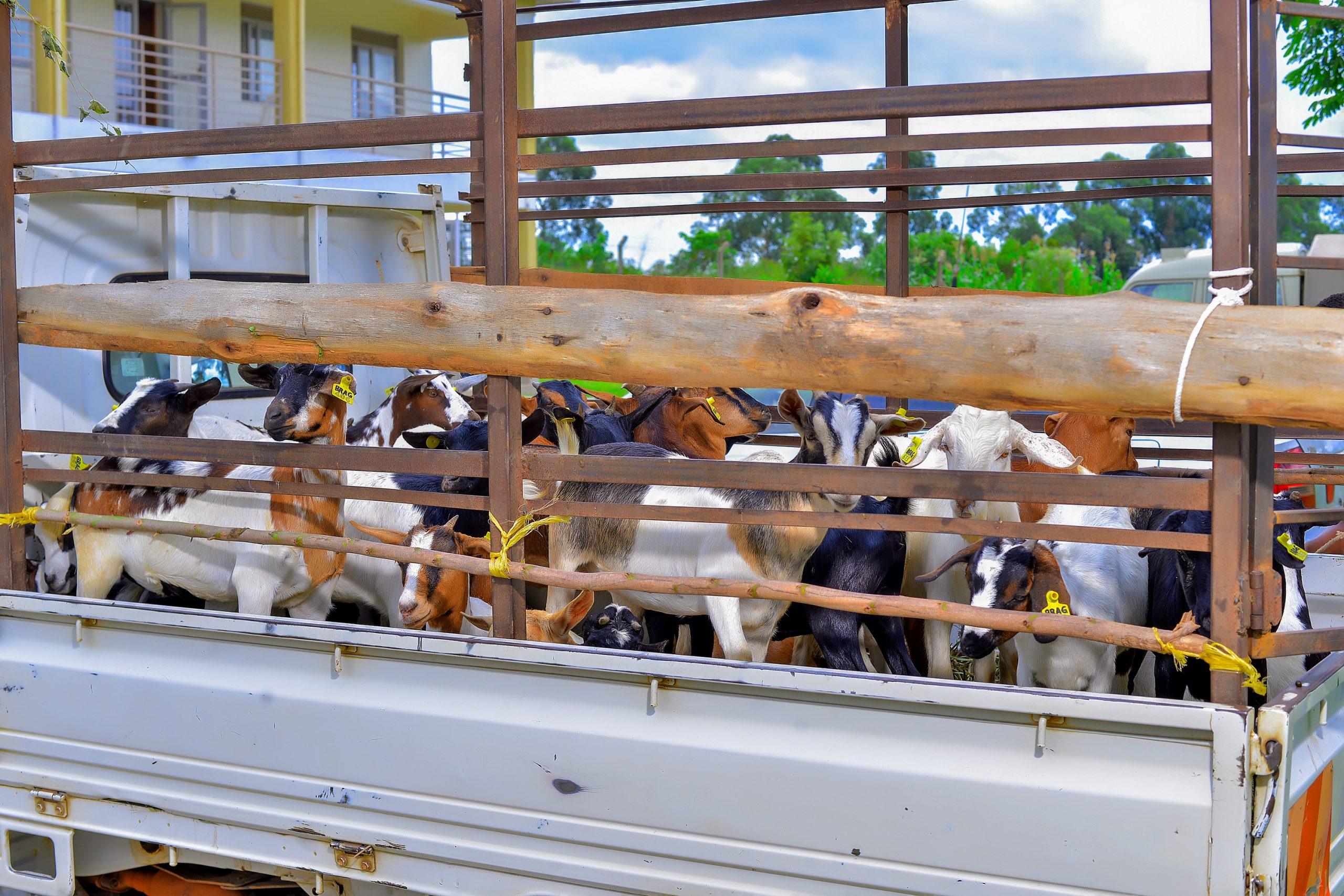
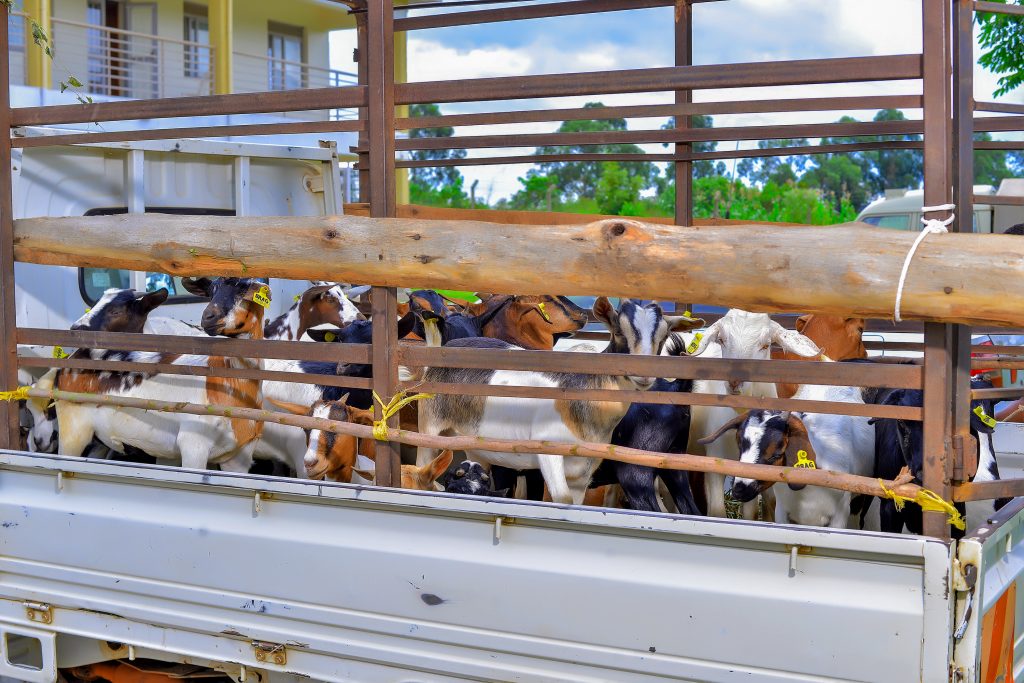
In recognition of their dedication, each of the 14 model farmers received vegetable seedlings and two improved goats on June 8, an incentive intended to strengthen household incomes and support long-term livelihood improvement.
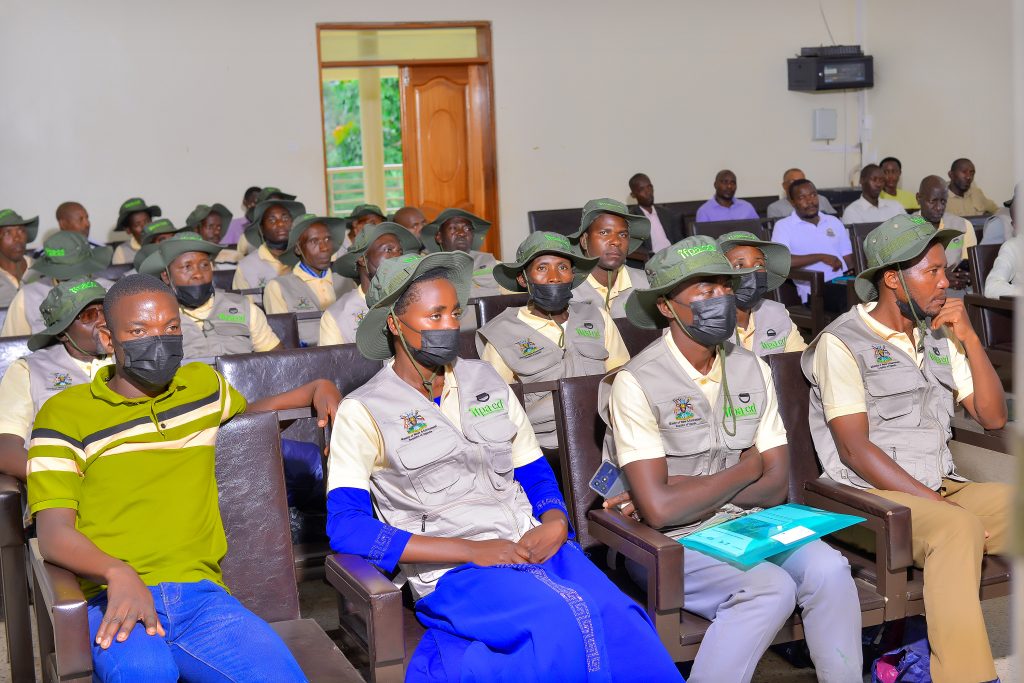
The awards marked one of the final activities under the World Bank-funded project, with Kamwenge emerging as one of the best-performing districts during implementation.
Kamwenge District Chairperson Joseph Karungi praised the farmers for becoming examples within their communities.
“The tree planting initiative has contributed to environmental conservation by protecting water sources, improving rainfall patterns, and supporting sustainable livelihoods,” Karungi said. “The improved goats will help boost household incomes through breeding and livestock production. We encourage beneficiaries to multiply the goats and share them within their groups so that more families can benefit.”
Project performance figures reveal the extent of community participation.
Across all implementation areas, the project reached 25,314 farmers against a target of 25,807. Kamwenge exceeded expectations, reaching 7,935 farmers compared to a target of 5,165—surpassing its goal by 2,770 farmers.
The district also recorded remarkable success in landscape restoration. While the target was to restore 1,030 hectares of degraded land, communities restored 1,629 hectares, exceeding the target by 599 hectares and outperforming other participating districts.
The restored landscapes are already delivering environmental benefits, including improved watershed protection, increased tree cover, and enhanced ecosystem services.
Beyond tree planting, the project invested in livelihood enterprises designed to generate income for local communities.
At Kyakaitaba, a honey collection center was established, complete with a honey processing room, storage facility, meeting gazebo, and sanitation facilities. A modern apiary equipped with 50 beehives—including Kenya Top Bar and Langstroth hives—was also established alongside beekeeping equipment such as bee suits, smokers, hive tools, and harvesting gear.
The initiative is expected to increase honey production while providing farmers with an alternative source of income.
Community engagement was further strengthened through the Farmers’ Voice Radio platform, which provided agricultural information in local languages. The project also adopted Free and Prior Informed Consent (FPIC) and the Gender Action Learning System (GALS), empowering households to develop land-use plans and make informed decisions about their farms.
Digital mapping of farms improved transparency and accountability throughout implementation.
For local forestry officials, the project demonstrates how conservation and economic development can complement one another.
Mugabirwe Novenci, the Assistant Forest Officer in Kamwenge District, says the training, tree distribution, and livestock support have created alternative income opportunities for communities.
“Farmers now have options for earning a living without depending on activities that destroy forests,” he said.
Resident District Commissioner Namara Loy Batuuze also applauded the initiative, noting that it aligns with government efforts to promote tree planting and environmental restoration.
She said communities have embraced President Yoweri Museveni’s “plant five, cut one” principle and are already witnessing positive results.
“We shall continue monitoring and supporting these efforts through government offices, including the CAO, RDC, and LC5 structures, to ensure that the benefits continue long after the project ends,” Batuuze said.
For farmers like Ndyabwe, the impact is already visible.
The trees growing across his coffee farm represent more than environmental conservation. They symbolize a future where farming can withstand a changing climate while supporting families and protecting the land they depend on.
As Uganda confronts the growing realities of climate change, the green canopy spreading across Kamwenge’s hillsides offers a glimpse of how communities can build resilience—one tree, one farm, and one household at a time.