BY INNOCENT KIIZA
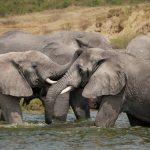
The elephant was worth more alive than dead, but that is not how everyone living around Uganda’s national protected areas sees it.
For a farmer whose garden has been invaded by elephants overnight, an elephant can mean lost food, lost income and, sometimes, a dangerous encounter.
For a poacher struggling to feed a family, the same elephant can become meat worth thousands of shillings.
And for the criminal networks behind the illegal wildlife trade, its tusks can be worth thousands of dollars. Somewhere between these three realities, Uganda is losing.
The country is losing wildlife. It is losing tourism opportunities. It is losing revenue that could support communities and conservation. And, according to Uganda Wildlife Authority (UWA) and local conservation authorities, the country loses an estimated $20 million (about Shs77 billion) every year to wildlife trafficking and poaching.
The loss is rarely visible in the national accounts as one big deduction. Instead, it happens one elephant at a time, one lion at a time, one confiscated consignment at a time.
Behind every illegal shipment is a piece of Uganda’s natural wealth leaving the country without contributing to the communities or public services that depend on it.
A sack of groundnuts hiding a fortune
On December 21, 2025, at Owang Trading Centre in Apac District, wildlife crime took an ordinary-looking form. A sack of groundnuts was hiding something far more valuable; Inside were six pieces of elephant ivory weighing 90.70 kilogrammes.
Alyet Felix, who was found with the ivory alongside others who remain at large, was later convicted of unlawful possession of protected wildlife specimens.
On July 1, 2026, the Chief Magistrate of the Standards, Utilities and Wildlife Court at Makindye, Her Worship Gladys Kamasanyu, sentenced Felix to six years in prison after he pleaded guilty.
In her sentencing remarks, Kamasanyu noted that ivory-related offences remain rampant and continue to fuel elephant poaching and illegal wildlife trade, particularly around Murchison Falls National Park.
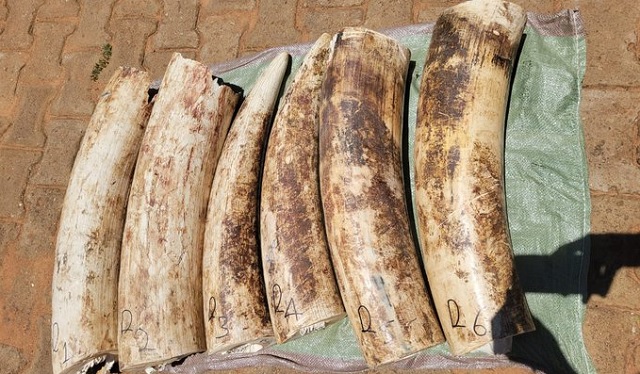
She also observed that Uganda is both a source and an important transit route for illegal ivory destined for international markets.
The case may have ended with a prison sentence, but the larger question remains, how much has Uganda already lost before the ivory ever reached the courtroom? The answer extends far beyond the value of the 90.70 kilograms of ivory.
When an elephant becomes dollars
According to Ibrahim Bbosa, Assistant Commissioner for Public and Corporate Affairs at Uganda Revenue Authority, ivory can fetch between $2,000 and $2,500 per kilogramme on the international market.
That value creates a powerful incentive for people to kill elephants and move their body parts through illegal networks, but the financial benefit is uneven.
The person who enters the park and risks arrest, injury or death is often at the bottom of the chain.
The larger profits can be made by people who finance the killing, arrange transportation, connect buyers and move wildlife products across borders.
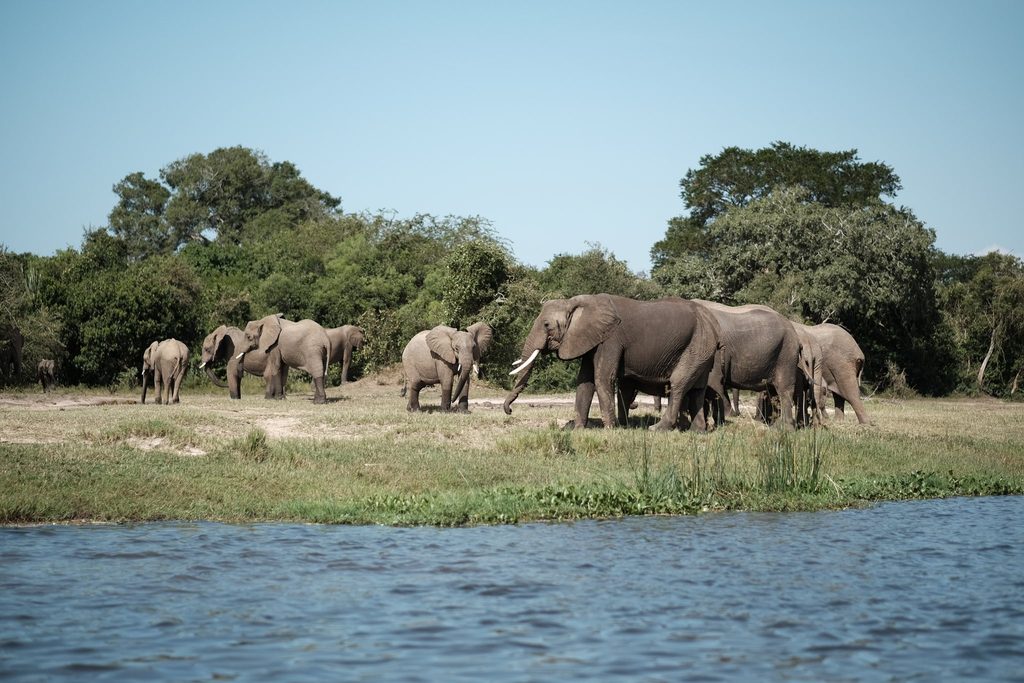
Uganda, according to a 2018 wildlife trafficking assessment cited in this investigation, is one of the common transit points for wildlife products in Central and East Africa.
That means Uganda is not only losing animals. It is also being used as a corridor for a global criminal business.
The country loses twice
The first loss is obvious, An elephant is killed and its ivory disappears into an illegal market. The second loss is harder to see but the dead elephant can no longer attract tourists in our protected areas,It cannot reproduce and It cannot contribute to the health of its ecosystem.
And the money generated by an illegal transaction does not flow into Uganda’s formal economy in the same way legitimate tourism revenue does.
Uganda’s tourism sector is heavily dependent on its wildlife and natural landscapes.
The material reviewed for this investigation cites tourism as Uganda’s biggest foreign-exchange earner, generating about $1.6 billion annually according to the Economic Development Africa Report 2020. It also cites Ministry of Tourism figures showing that the wider tourism sector generated between $1.62 billion and $1.7 billion in 2025, driven by about 1.64 million to 1.65 million international visitors. The contrast is stark.
Uganda can earn billions from visitors coming to see its wildlife, while criminals can simultaneously make money by killing the same animals. The country therefore risks losing the very natural capital that makes its tourism industry valuable.
The six lions that became a national loss
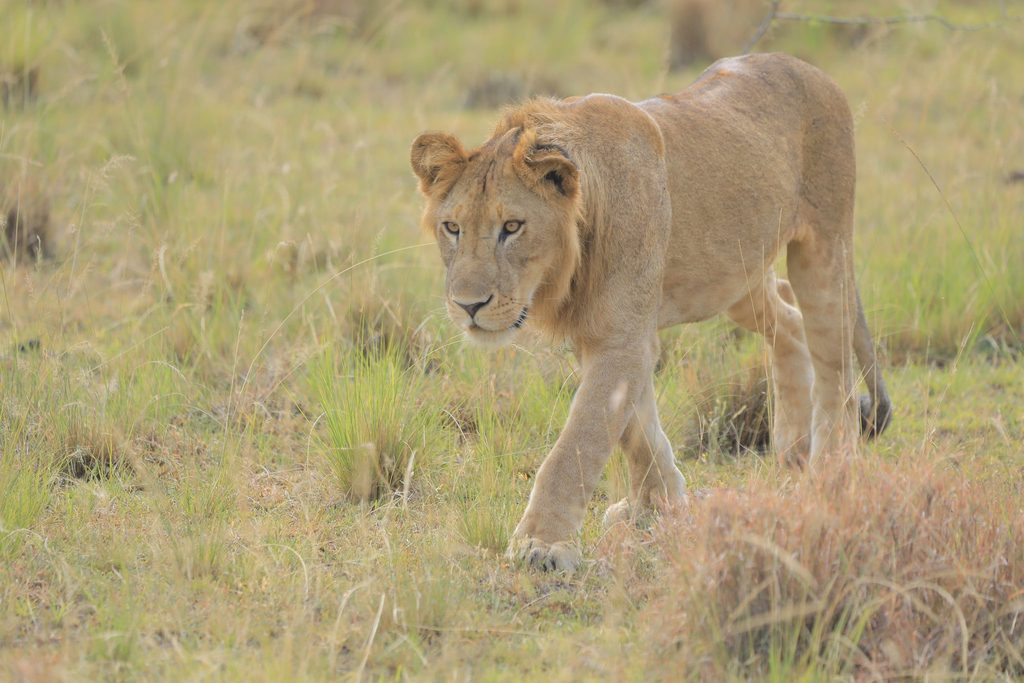
The cost of wildlife crime is not limited to elephants only but to the entire eco system. On March 18, 2021, six rare tree-climbing lions were poisoned in the Ishasha sector of Queen Elizabeth National Park.The six were female.
Their deaths were a blow to a population that draws visitors to the park precisely because of its unusual tree-climbing behaviour.
Five days later, authorities arrested four suspects in connection with the killings. They were found with three bottles containing Furadan, a highly toxic pesticide, and a two-litre jerrycan containing lion fat oil, according to the material in this investigation.
The incident followed another suspected poisoning of 11 lions at Hamukungu fishing landing site in Kasese District, where lions were allegedly targeted after preying on cattle belonging to local Busongora pastoralists.
For the people who lost cattle, the lions represented a threat. For Uganda’s tourism industry, the dead lions represented something else: a lost natural asset.
A living lion can be seen by hundreds or thousands of tourists over its lifetime but a dead lion has no tourism value.
The poverty behind the trade
In Kitabu, in Kasese, the story looks different. Here, illegal wildlife trade is not discussed only in terms of international markets or criminal syndicates. It is also discussed around dinner tables.
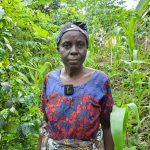
Alice Mbambu, 24, is the wife of a man who became involved in poaching. She says poverty played a major role. The family’s fortunes worsened after cotton, their main source of income, became less rewarding.
According to Mbambu, cotton could fetch around Shs1,500 per kilogram, forcing farmers to cultivate large areas to earn enough to survive.
Then her husband began poaching and Bush meat a kilogram could cost Ush8,000 to 1,5000 depending on type of animal. The money was better. Mbambu says the income helped pay school fees and support the family.
Elephant meat, she says, could sell for around Shs8,000 per kilogram, while beef cost about Shs15,000.
The numbers explain part of the temptation, but they also expose Uganda’s dilemma.
When communities living next to protected areas are poor, the illegal wildlife economy can become an alternative source of income. That means conservation cannot succeed simply by telling people not to poach but there must also be something for them to protect.
My hopes were swept away
Robert Kule, 42 years a maize farmer hostility towards wildlife began with a loss he made in 2025, He says that in 2025 invested his savings in maize, hoping to benefit from favourable prices.
Then seven elephants invaded his five-acre garden. They destroyed his crop and his investment disappeared almost overnight.
Kule says he reported the incident to UWA but received no compensation.
“I lost all my capital in 2025 after I had invested all the money I had into maize farming. But all my hopes were swept away by seven elephants which invaded my five-acre gardens and destroyed everything.” Years later, he remained bitter, Kule says
He says that after his complaints about crop destruction went unanswered, a man from the Democratic Republic of Congo gave residents instructions on making rudimentary traps for elephants.
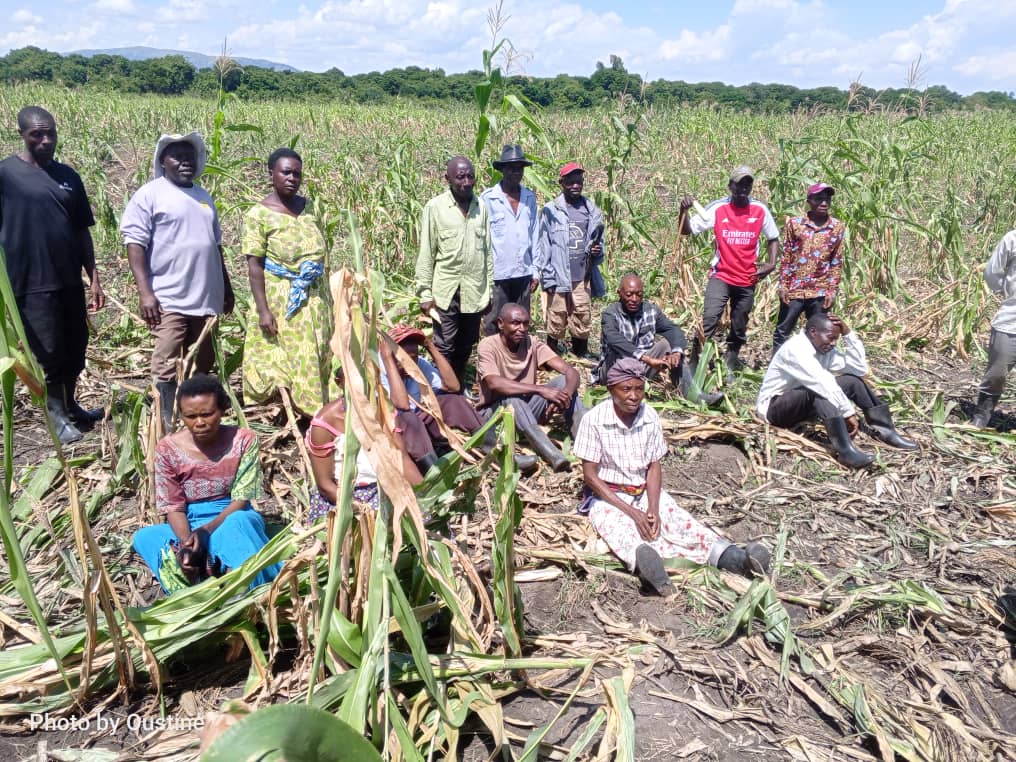
Kule’s experience demonstrates the other side of Uganda’s wildlife crisis. The country wants communities to protect wildlife. But some communities believe wildlife is already costing them their livelihoods.
And when that anger meets an international market willing to pay thousands of dollars for ivory, the result can be deadly.
From village hunters to international networks
The person setting a trap in a national park is only one part of the story.
AIGP Christopher Ddamulira, head of the Crimes Intelligence Department at National Headquarters, said illegal wildlife trade involves high-level people, including individuals based in Kampala, who deal with poachers and purchase illicit wildlife products using foreign currency.
The arrest in 2016 of Special Forces Command Officers Major Allen Rutagire and Corporal Collins Kamugisha while allegedly selling 21.5 kilogrammes of elephant ivory illustrated how far the trade can reach.
UWA’s Corporate Communications Manager, Bashir Hangi, describes illegal wildlife trade as a syndicate involving international criminal dealers and local intermediaries.
Hangi also cited the April 2021 arrest of a retired Italian diplomat in Uganda with more than five kilograms of what was described as super ivory. These cases point to a critical fact:
“Uganda’s wildlife crime problem is bigger than the poacher walking into the park, There is a market waiting at the other end”. Hangi said
What Uganda is losing
The economic loss from wildlife crime cannot be calculated only by adding up the price of confiscated ivory.
There is the value of tourism, there are jobs supported by wildlife, there are local businesses that depend on tourists, there are communities that benefit from tourism revenue, there are ecosystems that depend on elephants and other large animals.
And there is the future value of wildlife that cannot easily be put into today’s shilling.
The State of Wildlife Resources in Uganda Report 2026, cited in the investigation, provides a warning. While some herbivore populations are recovering, key flagship species are moving in the opposite direction.
Elephant numbers in monitored protected areas reportedly declined from 6,621 in 2021–2022 to 6,352 in 2023–2025. Lion numbers declined from 314 to 291 over the same period.
Meanwhile, buffaloes increased from 32,235 to 41,548, zebras from 17,762 to 20,942, and Uganda kob from 166,526 to 175,109.
The picture is therefore not one of every animal disappearing but it is more complicated.
Some species are recovering, while some of Uganda’s most economically and ecologically important flagship species remain under pressure.
And every decline represents a potential loss to the country’s future.
The price of doing nothing
Uganda cannot afford to treat wildlife crime simply as a conservation problem but as an economic problem, as a tourism problem, as a community livelihood problem and as a law-enforcement problem.
When ivory leaves Uganda illegally, the country loses an animal and potentially loses future tourism income.
When lions are poisoned, Uganda loses animals that could have attracted visitors for years.
When international traffickers use Uganda as a transit route, the country becomes part of a criminal supply chain while bearing the reputational and security risks.
And when communities living beside national parks receive little benefit from wildlife, poverty can make illegal trade increasingly attractive.
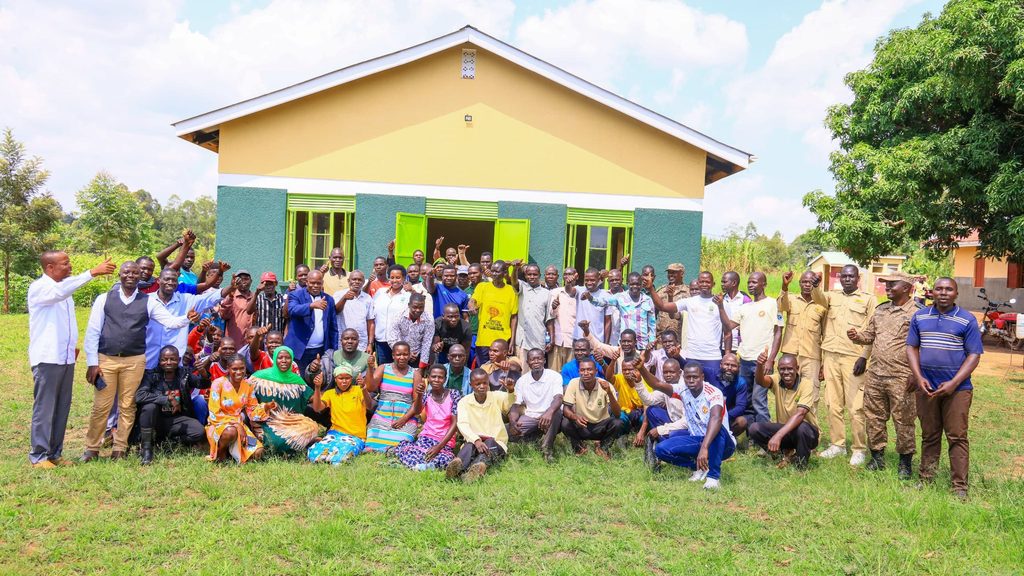
Protecting wildlife must also make economic sense
UWA says it is trying to close some of these gaps.
Hangi says the authority is increasing awareness among communities, training community scouts and whistle-blowers, and sharing part of tourism revenue with communities for projects intended to improve livelihoods and discourage poaching.
Those interventions matter. But so does the experience of people like Mbambu, Mahembe and Kule. For them, conservation is not an abstract national policy. It is an elephant walking through a cotton garden and Maize.It is school fees; it is food It is a lost harvest and It is fear.
Uganda’s challenge is therefore not simply to catch more poachers but to make the legal economy around wildlife more valuable to the people who live beside it than the illegal economy is. Because an elephant that remains alive can generate value again and again—through tourism, ecosystem services, community revenue and the natural heritage it leaves for future generations.
An elephant killed for ivory generates a one-time payment for criminals and Uganda bears the loss forever. That is the real price of illegal wildlife trade. When looking at the broader economic impact, wildlife trafficking acts as a key driver of overall illicit financial flows (IFFs), which drain an estimated $509 million (over UGX 1.8 trillion) from Uganda’s economy annually according Global Financial Integrity