BY INNOCENT KIIZA
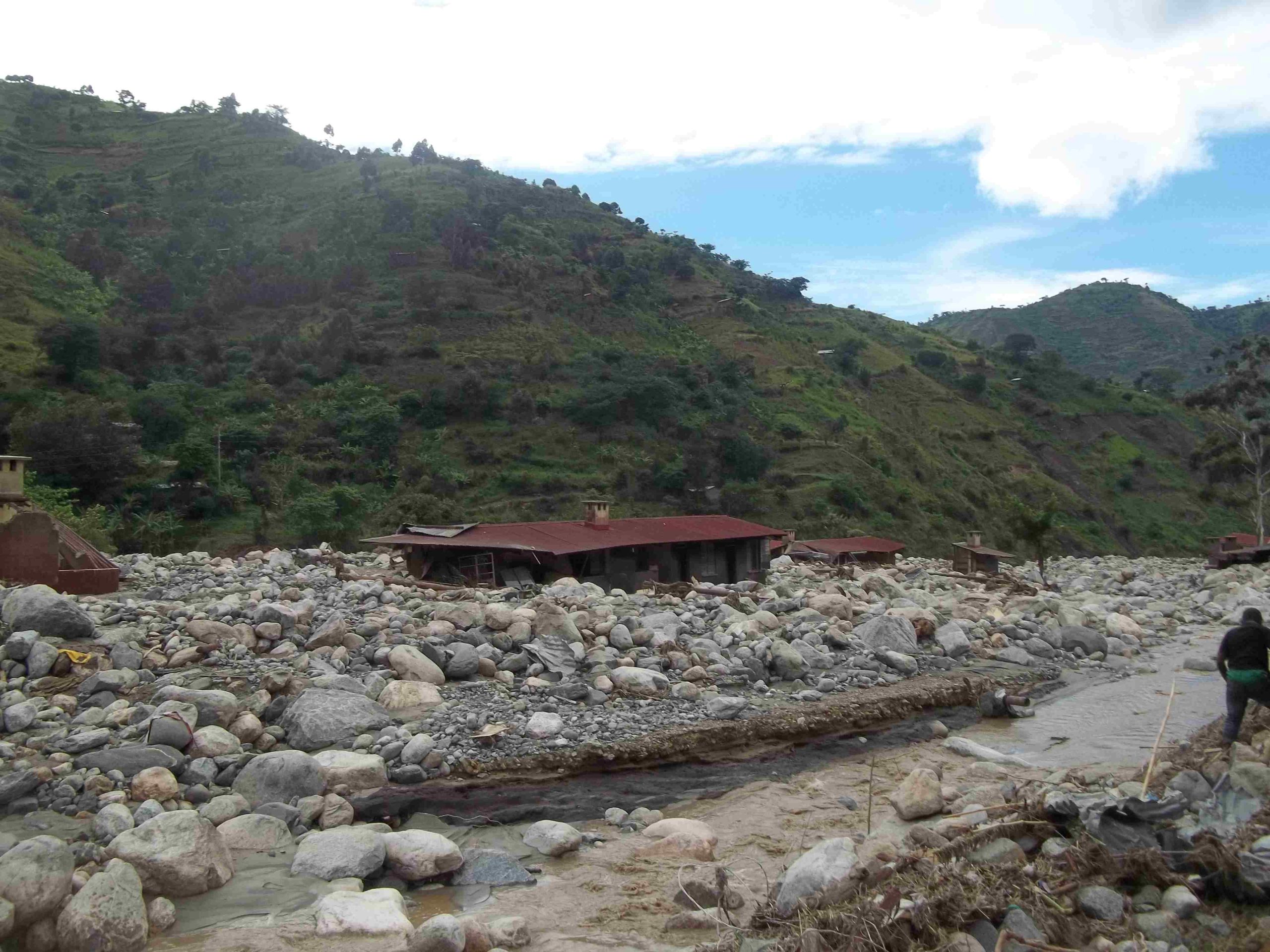
Torrential floods, fueled by changing weather patterns and melting glaciers from the Rwenzori Mountains, tore through villages, flattening homes, sweeping away crops, livestock, and hope.
Among those caught in the chaos was 16-year-old Asiimwa Jackline (not her real name), a bright student who dreamt of becoming a nurse. She watched helplessly as her family’s four-room home, farm, and everything they owned were swallowed by the raging waters.
“We had a good life,” Jackline recalls, sitting under a fraying tarpaulin in the Muhokya Internally Displaced People’s (IDP) camp. “My father had a farm. We even had a television. Now, everything is gone.”
When the floods receded, poverty took root. Her father, once a proud farmer, suffered shock and depression after losing everything.
School fees became a luxury. Jackline dropped out. To afford sanitary pads, she accepted help from a boy who gave her 5,000 shillings (about $1.30), only to abandon her after impregnating her.
“I didn’t want my father to die of stress,” she whispers. “I thought I was helping by finding small things for myself. I never knew it would lead to this.”
Today, Jackline is a teenage mother. She has trained as a hairdresser through a local initiative but lacks startup capital. Her dream of owning a salon remains trapped in the same poverty that the floods unleashed.
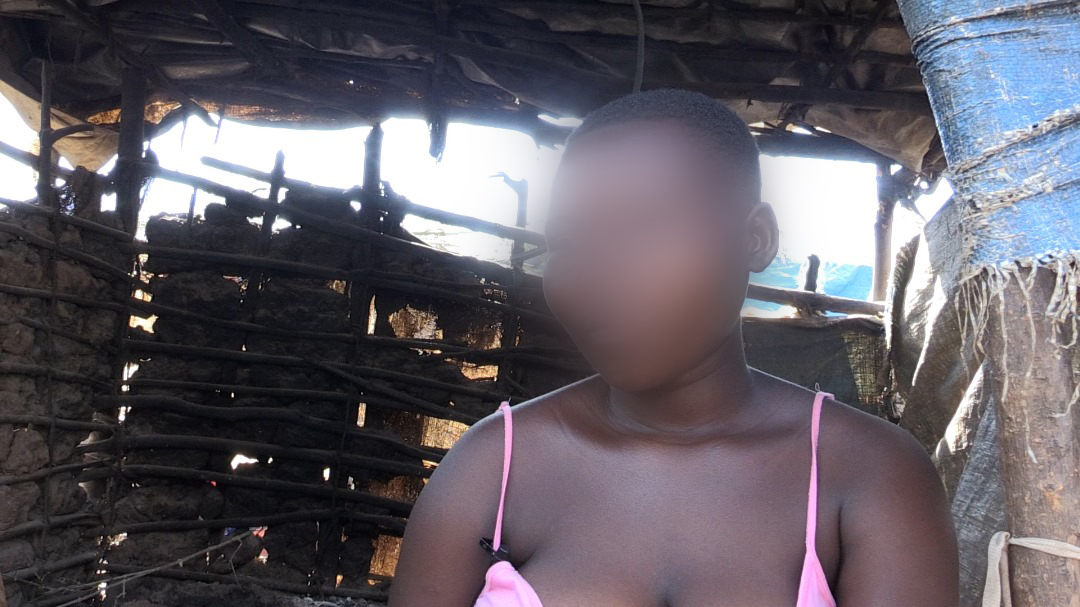
Just a few kilometers from Jackline’s tent, Janet Mbambu, now 17, wipes her tears as she recounts her own ordeal. She was in Primary Five at Bulembia Primary School when her father, the family’s sole provider, was swept away by the same floods.
Her mother could no longer afford school fees. Within months, Janet was pregnant at just 15.
“I thought marriage was my only way to survive,” she says. “But starting a family so young, with someone I barely knew, was not easy.”
Her husband, also a teenager, struggled to provide. At her in-laws’ home, Janet had no voice. She ate whatever was cooked for her, endured domestic tensions, and eventually fled back to the camp with her mother after family conflicts erupted over property.
Her mother, Yodesi Masika, still grieves both her husband and her daughter’s lost childhood.
“I was also married at 16,” she says, her eyes distant. “I wanted a better life for my daughter. But when disaster struck, I couldn’t protect her.” This cycle of loss and early motherhood has become common in the camps.
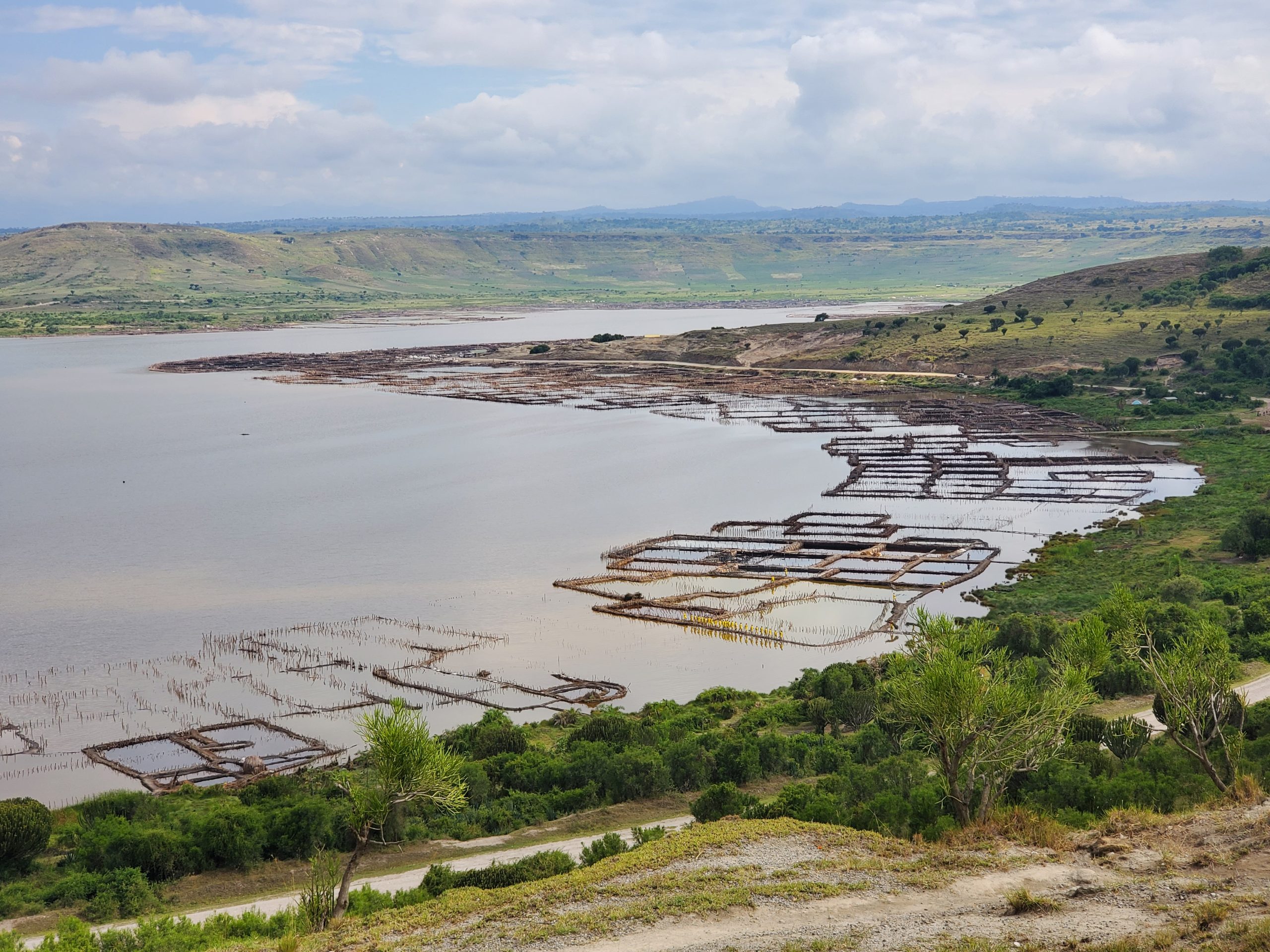
At Muhokya IDP Camp, makeshift shelters stretch across a dusty plain. The residents, victims of repeated floods and mudslides—were promised six months of temporary settlement. Five years later, they are still waiting.
“We were promised land, two hectares per household,” says Rehema Aryema Namale, the camp chairperson. “If that had happened, parents could farm and protect their daughters. Now, girls trade themselves for fish or sugar.”
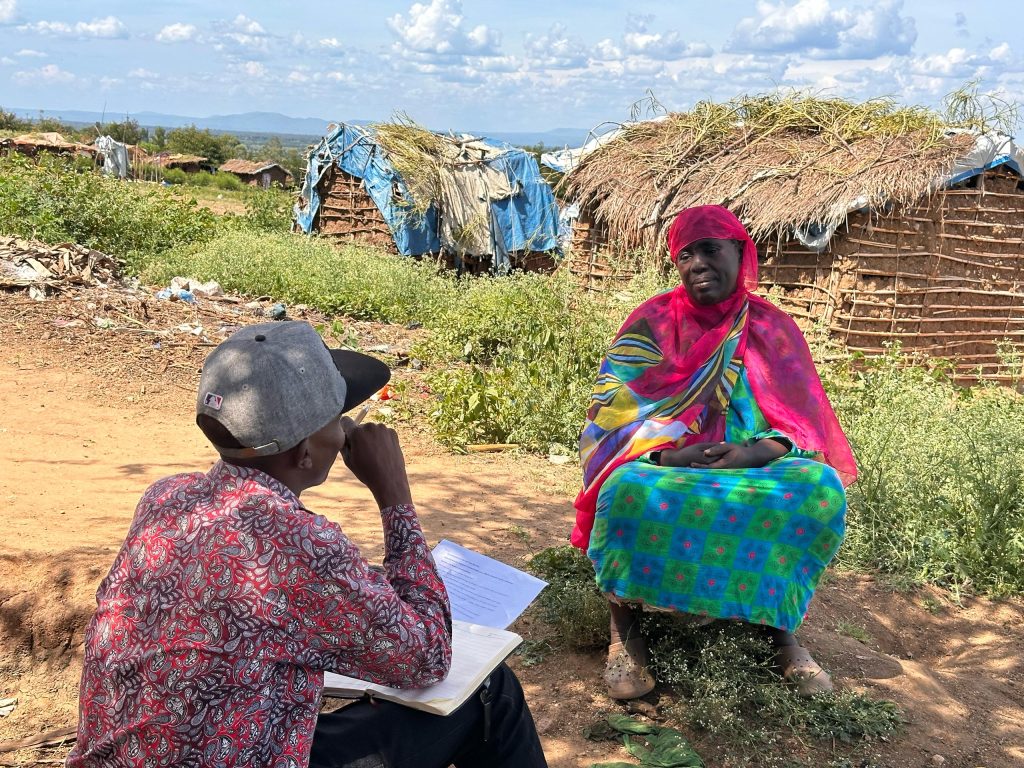
The camp’s general secretary, Jockus Bawithe, confirms that at least six underage girls have been impregnated and abandoned by fishermen or traders in the last year alone.
“They lure the girls with small gifts such as food, fish, or a little money,” he says. “When the girls get pregnant, the men vanish.”
Kasese District Community Development Officer Queengonda Asiimwe says poverty, displacement, and violence in families are driving the teenage pregnancy crisis.
“Most young mothers come from homes where parents have given up,” she explains. “We must shift from responding after the fact to preventing the problem before it multiplies.”
The district registered over 1,000 teenage pregnancies in 2024, prompting the council to draft a Gender-Based Violence (GBV) Ordinance, now awaiting approval by the Solicitor General. It seeks to strengthen protection for girls, punish abusers, and provide counseling and shelter for survivors.
Breaking the Silence, Rebuilding Hope
Health workers see the toll firsthand. James Mwiruwabo, the in-charge at Kasese Municipal Health Centre III, says most deliveries by girls aged 14–17 come from rural sub-counties.
“They come with nothing, not even baby clothes,” he says. “Some were defiled by relatives. Many never consented. We are dealing with broken children forced to be mothers.”
Police statistics echo the crisis. According to Rwenzori East Police Spokesperson SP Nelson Tumushime, Kasese recorded 114 GBV cases last year, including 38 cases of aggravated defilement and two rapes. Many go unreported or are “resolved” through family negotiations, hindering justice.
Local organizations like Kasese Youth Link Development (KYLD), founded by young people in 2013, are fighting back. Partnering with UK Aid, UGANET, Caritas, and Reach A Hand Uganda, they have trained over 190 young mothers in vocational skills and offered psychosocial support to more than 2,000 adolescents.
“Poverty is the root,” says Ronald Kato, KYLD’s Executive Director. “Some families see girls as dowry, not as future leaders. We’re trying to change that mindset.”
Despite these efforts, Uganda remains one of Sub-Saharan Africa’s hotspots for teenage pregnancy 24% of girls aged 15–19 are pregnant or have given birth, according to the latest Demographic and Health Survey.
During a national dialogue on ending child marriage, UN Resident Coordinator Susan Ngongi Namondo condemned the culture of silence.
“No 10-, 11-, or 15-year-old gets pregnant out of choice,” she said. “Pregnancy is a consequence of something else—often violence, poverty, or neglect. When so many children get pregnant, we have failed as a society.”
She called for stronger parental communication and comprehensive sexuality education.
“If we don’t talk to our children, they will learn from social media or predators. We owe them better.”
As the sun sets over Muhokya camp, Jackline rocks her baby under the same sky that once betrayed her. Her laughter is rare, her hope fragile but not gone.
“I still want to help others,” she says softly. “Maybe one day, I will still become a nurse.”