
BY ALEX BALUKU
United Nations Headquarters, New York – 22 August 2025
The World Health Organization (WHO) and the World Meteorological Organization (WMO) have issued a stark warning about the escalating health risks posed by extreme heat, particularly for workers and vulnerable populations. In a joint report released today, the two UN agencies highlight how rising global temperatures are creating unprecedented challenges for public health, demanding immediate and coordinated international action.
According to the WMO, 2024 was the hottest year ever recorded, with temperatures surpassing 40°C in many regions and even exceeding 50°C in parts of the Middle East and South Asia. Such extremes, once rare, are becoming alarmingly frequent, underscoring the mounting toll of climate change on human health and livelihoods.
“These temperatures are not just statistics; they represent real and growing dangers to people’s lives,” the WMO said. “Every year without action locks us deeper into a cycle of avoidable illness and death.”
Health Impacts on Workers and Vulnerable Groups
The WHO’s analysis underscores the acute vulnerability of outdoor and manual laborers. Agricultural workers in India, for example, reported collapsing in fields during the 2024 heatwave, when ground temperatures reached 45°C. In the Gulf states, construction workers are routinely exposed to blistering heat despite midday work bans, with many suffering from kidney disease linked to chronic dehydration.
“By midday it feels like my head is burning from the inside,” said Mohamed, a construction worker in Doha, who described rationing his drinking water to avoid being seen as “slacking.”
The report cites evidence that heat stress is already reducing global labor productivity, with projections that by 2030, the equivalent of 80 million full-time jobs could be lost to excessive heat exposure.
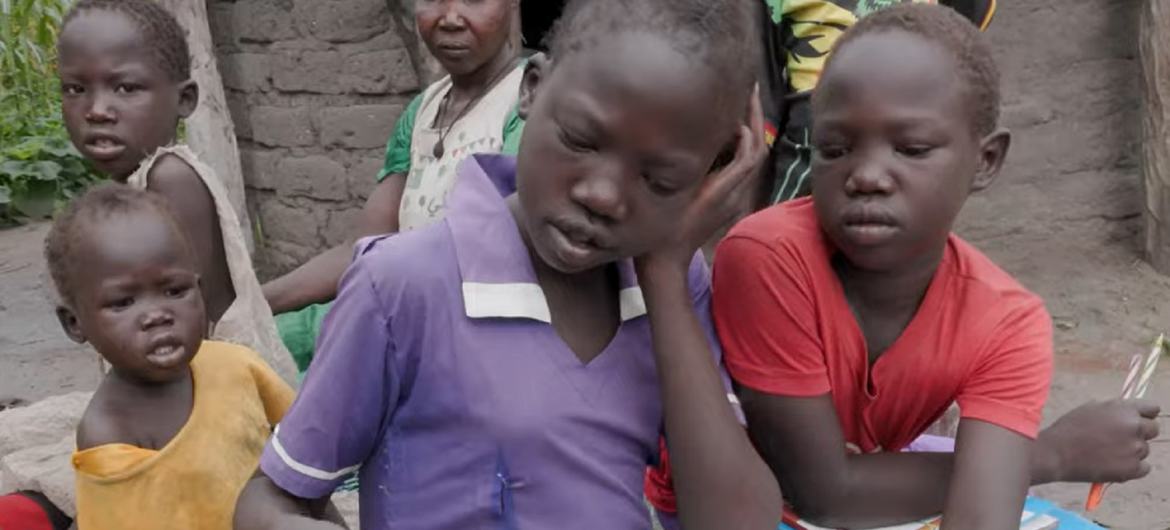
Children, older adults, and the urban poor are also at heightened risk. In Lagos, Nigeria, families living in tin-roofed slums endure indoor temperatures above 40°C, often with no electricity for fans or cooling. “At night we cannot sleep. My baby cries until dawn,” said Grace, a young mother.
The Global Death Toll
Extreme heat is already killing hundreds of thousands annually. WHO estimates that over 500,000 deaths each year are linked to heatwaves, a figure projected to climb sharply without urgent intervention.
Historical examples underline the danger: the 2003 European heatwave claimed more than 70,000 lives, while in 2022, India and Pakistan suffered thousands of deaths as blackouts cut access to air conditioning during one of the longest heatwaves in history.
Between 2000 and 2019, global heat-related mortality increased by 74%, with the steepest rises in low- and middle-income countries, according to The Lancet Planetary Health.
East Africa: Farmers and Urban Poor on the Frontline
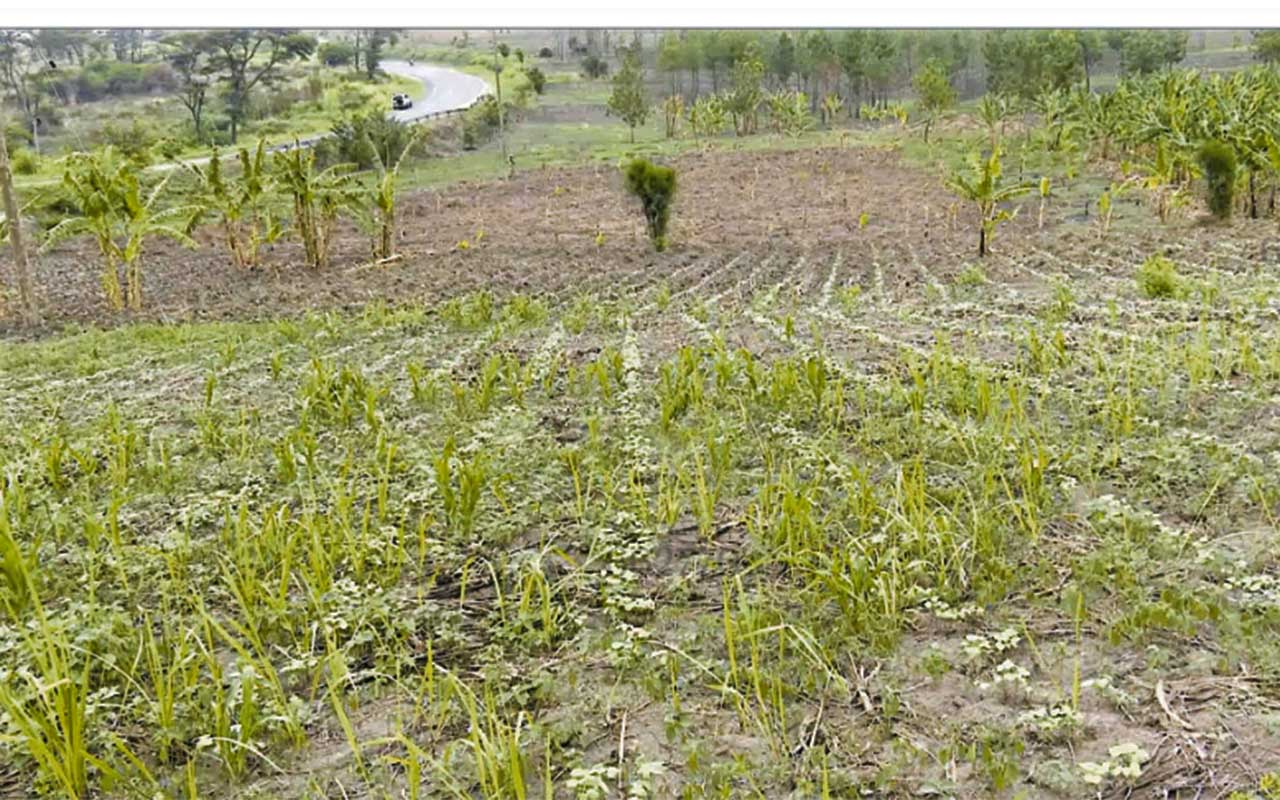
In East Africa, the consequences of rising temperatures are already evident. Uganda and Kenya — countries heavily reliant on rain-fed agriculture, are seeing crops wither under prolonged dry spells and livestock deaths surge as water sources dry up.
In Kasese district, western Uganda, maize and bean farmers report declining yields as extreme heat scorches crops before harvest. “We used to worry about floods from the mountains, but now it is the sun burning our fields,” said John Kambale, a smallholder farmer. “Our children faint in class because of the heat, and water sources are drying.”
Across the border in northern Kenya, pastoralist communities are struggling as intense heat and recurring droughts decimate herds. Women and children walk longer distances in search of water, exposing them to health risks and insecurity.
In Nairobi’s informal settlements, residents of Kibera say corrugated iron-sheet homes turn into “ovens” during heatwaves. “When it is hot, we cannot breathe inside the house,” said Miriam Achieng, a mother of three. “We take the children outside to sleep on the ground because the heat inside is too much.”
Experts warn that these local realities mirror global trends: vulnerable populations in developing countries are paying the highest price for a crisis they contributed least to creating.
Strain on Healthcare Systems
Hospitals worldwide are seeing surges in admissions for heatstroke, dehydration, and heart failure. In sub-Saharan Africa, fragile rural clinics often lack electricity, making it nearly impossible to treat patients effectively. Doctors in Uganda’s semi-arid Karamoja region say they are overwhelmed during heatwaves, with patients arriving dehydrated and children collapsing in classrooms.
“Extreme heat is not just an environmental issue, it’s a health emergency,” said Dr. Maria Neira, Director of Public Health, Environment and Social Determinants of Health at WHO. “We are pushing human physiology beyond its natural limits.”
Call for Action
Both WHO and WMO urge governments, employers, and communities to adopt heat-health action plans. These include flexible working hours, shaded rest zones, hydration access, and scaling up urban cooling strategies such as tree planting, reflective rooftops, and green public spaces.
WHO Director-General Dr. Tedros Adhanom Ghebreyesus cautioned: “We are already seeing the limits of human tolerance being tested. Unless we act now, extreme heat will claim more lives, cripple healthcare systems, and devastate livelihoods.”
The report concludes that addressing extreme heat requires not only stronger health and labor protections but also deeper climate action. Without decisive intervention, WHO and WMO warn, extreme heat could become one of the defining public health crises of the century, a silent emergency claiming lives across every continent, from the bustling cities of Europe to the rural farmlands of East Africa.