Despite the introduction of regional trade policies, simplified protocols, and the establishment of a single border post at Mpondwe, small traders continue to face persistent challenges at the border between Uganda and the Democratic Republic of Congo (DRC).
At the bustling Mpondwe-Lhubiriha border market in Kasese District, the majority of traders, many of them women engaged in cross-border trade, say that obstacles such as high transaction costs, limited access to information, and administrative bottlenecks continue to hinder their daily operations and economic progress.
According to Benjamin Masereka, a trader in printed African fabrics, commonly known as kitenge, and sewing machines, taxes on goods imported from the neighboring country remain high despite his status as a small trader. He says this is slowing the growth of his business. With his African print clothing shop, Mr. Masereka questions why Congolese traders seem to benefit from a more favorable business environment in Uganda, while Ugandan traders face numerous controls and high taxes when operating in the DRC. He describes the situation as unfair.
He also criticized regional trade mechanisms, particularly the Simplified Trade Regime, arguing that they have not done enough to regulate cross-border trade and business operations. “Even a small piece of luggage transported from the DRC to Uganda is taxed, despite the exemptions outlined in the URA guide. Staff still demand payment,” he said, adding that these protocols have not sufficiently supported small-scale traders.
Faced with rising import costs, Mr. Masereka emphasized the need for stronger cooperation between the Congolese and Ugandan governments to ensure proper implementation of regional trade guidelines. He also recommended strengthening traditional barter trade systems at the border, noting that Congolese traders are already benefiting from existing cross-border arrangements.
Another trader, Nuriat Kabugho, originally from Congo and specializing in palm oil, acknowledged improvements brought by the border post infrastructure. She explained that before its construction, traders had to store goods in the open, exposed to harsh weather.
“Before, we kept our goods outside, under the sun and rain. Now we are sheltered,” she said, noting that this has improved the safety of her merchandise.
However, she pointed out that high taxes remain a major challenge. She explained that the cost per jerrycan of palm oil has increased significantly, rising to about 8,500 shillings.
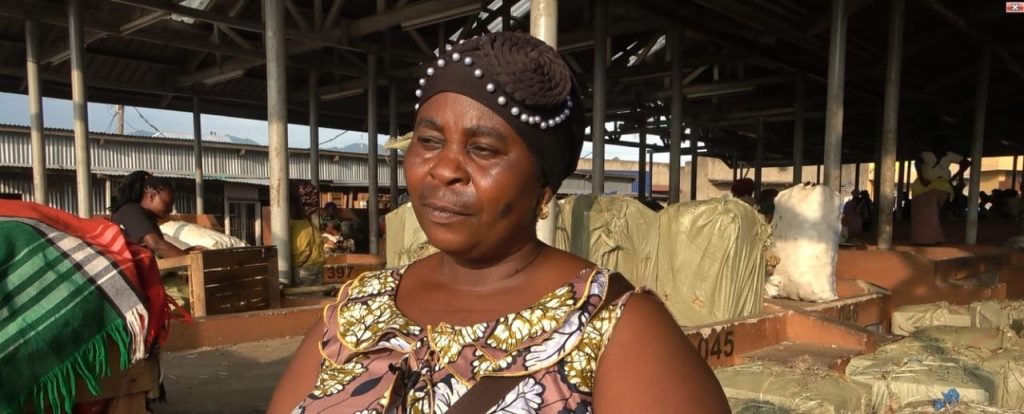
Similarly, Ms. Sefina Kabugho, a trader from Beni in the DRC working at the Mpondwe-Lhubiriha market, shared that simplified movement across the border has improved their livelihoods. She noted that anyone with a Congolese national identity card can enter Uganda freely without hindrance, adding that Ugandan traders enjoy similar access when conducting business in the DRC.
The Chief Financial Officer of Kasese Municipality, Mr. Alex Bulemu, stressed the importance of formalizing businesses and complying with import and export procedures.
The senior financial official asserts that illegal trade harms development because the revenue and foreign exchange generated fund government programs, including infrastructure improvements such as road construction, access to electricity and water, and the construction of health centers, among others.
When questioned about the causes of illegal business transactions, Mr. Bulemu cited a lack of public awareness regarding the importance of taxes, bureaucracy, high tax rates, lack of transparency and accountability, and other forms of corruption that hinder development. For the population to respect the rules and refrain from illegal business activities, the government must ensure that taxes are affordable while guaranteeing transparency, the finance official of Kasese Municipality stated, adding that citizens want to see the benefits of their taxes.
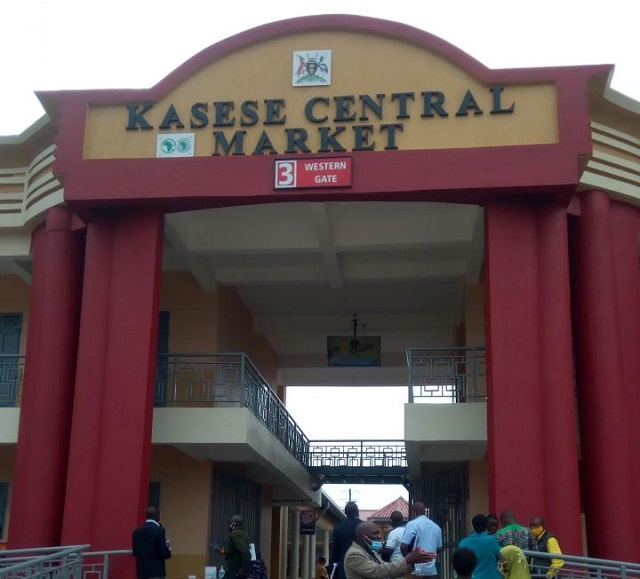
Regarding the specific changes implemented to simplify operations for small traders, Mr. Milton Tenywa, Assistant Trade Development Officer at the Common Market for Eastern and Southern Africa (COMESA) at the Mpondwe One Stop Border Post, explains that after the construction of the facility, various offices, including those of the Uganda Revenue Authority (URA) and Immigration, were grouped together in the same structure. Previously, these offices were far apart, and this consolidation has helped reduce customs clearance times for traders.
He explains that, as a COMESA office, they specifically deal with small cross-border traders whose goods are worth less than $2,000, noting that initially, most offices operated in small containers, a situation that made business transactions difficult.
Mr. Tenywa also revealed that the number of women cross-border traders at the Mpondwe border post has increased over the years due to community awareness. He noted that they were initially held back by poor internet connectivity, a problem that has since been resolved to eliminate delays in customs clearance for traders at the border post.
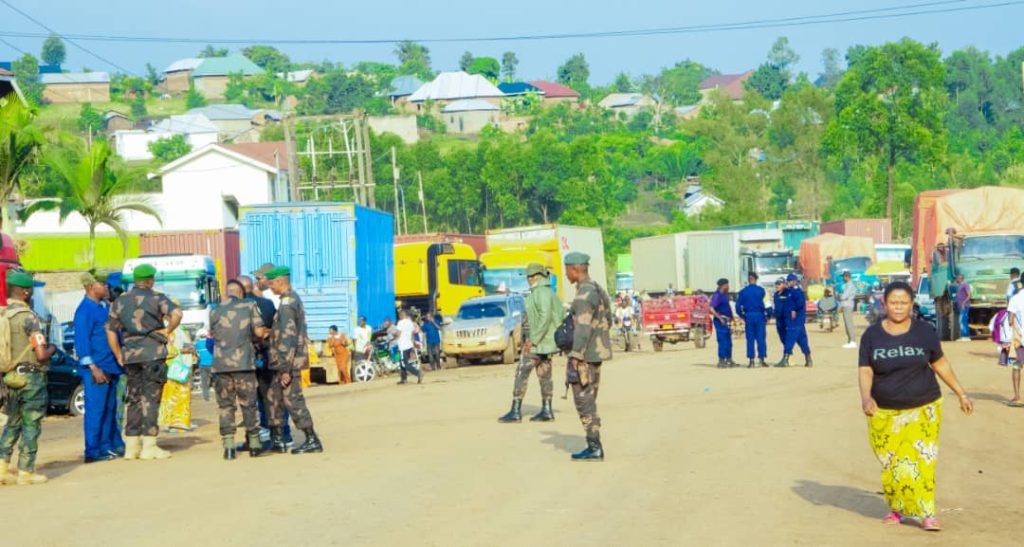
In general, it is necessary for relevant stakeholders in the Democratic Republic of Congo (DRC) and Uganda to work closely together diplomatically to remove these obstacles so that cross-border businesses can thrive, given their importance to both countries.