BY EDITORIAL TEAM
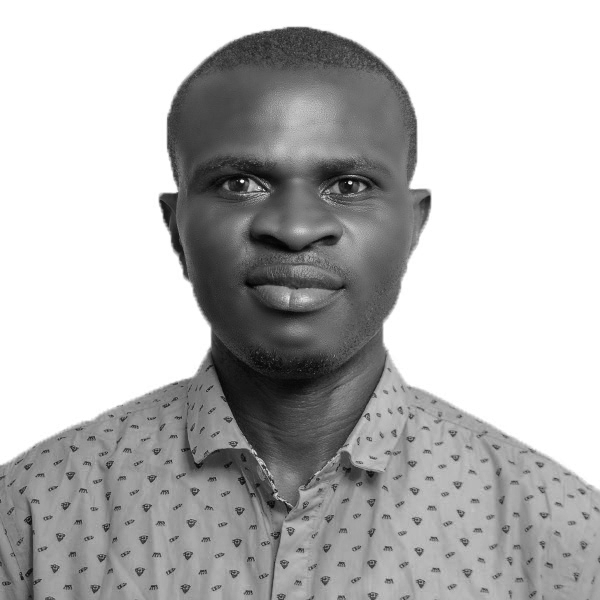
Kampala, Uganda – January 13, 2026: Fresh outrage has erupted within Uganda’s opposition after the reported abduction of William Mackay Masereka, the husband of exiled National Unity Platform (NUP) grassroots leader and political educator Esther Kabugho, in what opposition figures describe as a continuation of a nationwide campaign of political repression.
Masereka was reportedly abducted last evening by unidentified plain-clothed, masked men from his home in Kulambiro, Kampala, in an operation that left his family shattered. The incident occurred two days before Uganda’s general elections scheduled for January 15, 2026, intensifying fears of state-sponsored intimidation as the country heads to the polls.
According to eyewitnesses, the operatives arrived in an unmarked vehicle, forced their way into the residence, assaulted the house helper, and dragged Masereka away as children were left inside the house crying and helpless. His whereabouts remain unknown, and by the time this story was filed, no police comment had been obtained.
The abduction is being directly linked to the February 2025 arrest of Esther Kabugho, who was violently seized by security forces while conducting an NUP leadership training in Kawempe North. Kabugho was detained for weeks without charge and allegedly tortured before being released on bond. Fearing for her life, she fled the country days after her release, and her whereabouts remain unknown. Sources say she may have sought refuge either in Europe or North America.
Opposition leaders say the targeting of Masereka reflects a long-standing pattern in which families of opposition figures are punished after activists themselves escape arrest or flee the country.
“This is collective punishment,” an NUP leader said. “When they fail to break the activist, they go after the spouse, the children, the home.”
Human rights organizations note that Masereka’s disappearance mirrors dozens of similar cases involving opposition supporters across Uganda. In recent years, NUP supporters have been abducted from homes, streets, and campaign venues, many later appearing in military detention facilities or civilian prisons bearing signs of torture, while others remain missing.
The case also evokes the prolonged persecution of veteran opposition leader Dr. Kizza Besigye, who has beenarrested multiple times, subjected to house arrest, charged with treason, and repeatedly blocked from exercising political freedoms. Rights groups say Besigye’s treatment laid the foundation for the current crackdown, normalizing repression as a political tool.
“From Besigye to Bobi Wine’s supporters, the message has been consistent: challenge the regime and face the consequences,” said a Kampala-based political analyst.
Recent months have seen violent dispersal of opposition rallies in Jinja, Masaka, Mbale, and Kampala, with scores of NUP supporters detained. Families continue to report secret detentions, denial of legal access, and torture patterns that rights groups say resemble enforced disappearances.
The escalating repression has unfolded against the backdrop of controversial public statements by President Yoweri Kaguta Museveni and his son, Gen. Muhoozi Kainerugaba, the Chief of Defence Forces. Gen. Muhoozi has in recent times publicly claimed responsibility for torturing government critics, remarks that have drawn international condemnation and heightened fears of institutionalized abuse.
“This kind of rhetoric gives security operatives a green light,” said a human rights lawyer. “It tells them they will not be held accountable.”
NUP leadership has condemned Masereka’s abduction, demanding his immediate and unconditional release, and warning that Uganda is sliding into a period where abductions and torture are replacing the rule of law.
Human rights bodies have similarly called for the release of all political prisoners, including detained NUP supporters and activists, and urged regional and international actors to urgently intervene.
As Uganda approaches election day, Masereka’s disappearance has become yet another symbol of a country where political participation carries personal risk, and where fear, rather than free choice, increasingly shapes the electoral landscape.
“This is not just about one family,” an activist said. “It is about a nation being held hostage by fear.”