By Delicate Sive
The January sun in Atiak Town Council, Amuru District in northern Uganda, does more than shine; it punishes. The air is so dry that it carries dust that clings to sweaty skin. The heat is alive, heavy, pulsing and inescapable as the ground radiates warmth like a silent fire beneath your feet. This trading centre sits at the intersection of the Gulu- Nimule highway, thirty-five kilometres from the South Sudan border.
Business trickles like a faint heartbeat through the centre. A few shopkeepers sit idly in front of their kiosks, waiting for customers who hardly show up. A child wanders past with a jerrycan, and a bicycle leans lazily against a stall.
On arrival, men gathered in clusters under sparse, withering trees or shared umbrellas, glance before reverting to their quiet conversations as if passively acknowledging your presence. Their faces dulled by the unforgiving heat, exhaustion and memory.
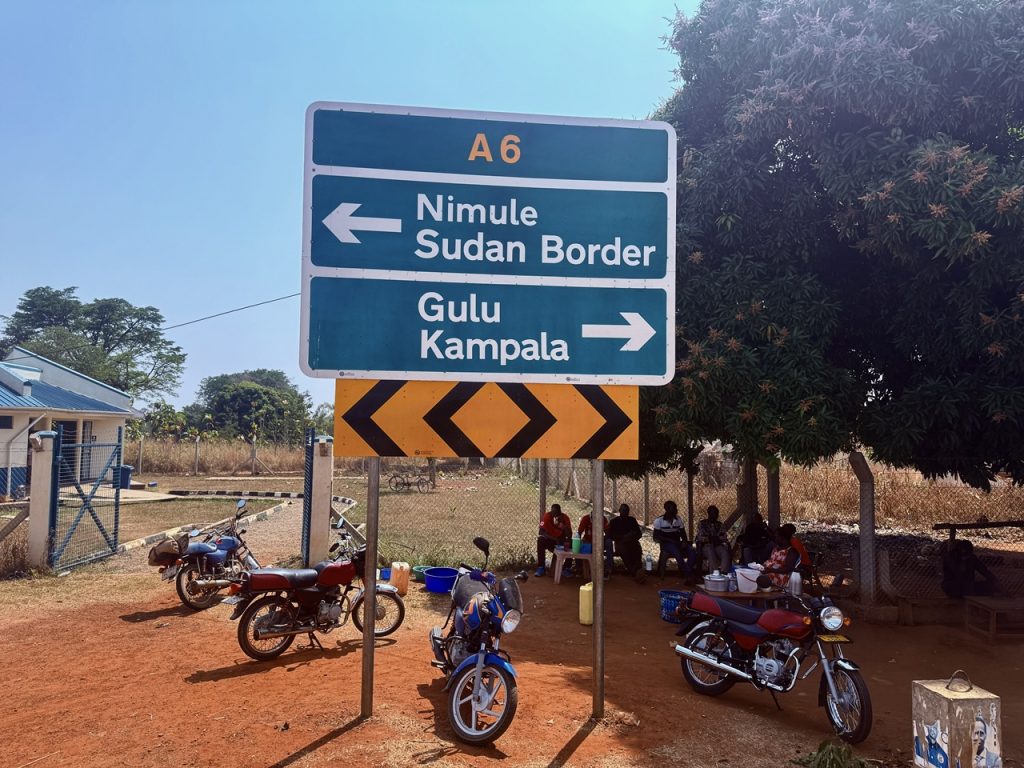
Only the intermittent distant rev of a motorcycle, the hum of a passing car, the growling engine of a truck and the shuffle of feet across the road break the silence. Atiak Town Council is quiet, the kind of silence that makes every sound feel louder than it should.
A quick scan through the landscape is a constant but worrying feature – years of wanton deforestation that have stripped the area bare. Some tree stumps jut through the soil, a few buds poking out, as several shrubs stand tall in the heat.
The deforestation is attributed to cultivation, wildfires, human settlement, the construction of the Internally Displaced Persons (IDP) camps, and what remained was felled for firewood and charcoal to eke out a living. According to Global Forest Watch, from 2001 to 2024, Kilak lost 21 kilo hectares of tree cover, equivalent to 11% of the 2000 tree cover area.
https://gfw.global/wlVzQ4What the war began, the climate has amplified, stripping Atiak of both trees and livelihoods.
The battle against drought and floods
Heavy reliance on rain-fed agriculture, coupled with the repercussions of destructive human activities have left Atiak residents extremely vulnerable to the unforgiving climate change crisis, deepening food insecurity and poverty. Unpredictable droughts and floods have undermined efforts to recover from a history of violence and trauma by destroying livelihoods dependent on subsistence farming.
“The area is completely dry now because it’s off-season,” says Beatrice Alal, a local farmer. “We are waiting for the long rains in March, but our efforts rarely pay off. Sometimes the seedlings die when the rains abruptly stop. Other times, floods wash everything away,” she adds, with quiet resignation, a story too familiar among farmers here.
They say farming no longer guarantees survival despite agriculture being the main economic activity in the region and the country at large.
The Ministry of Agriculture, Animal Industry and Fisheries asserts that agriculture remains the major source of livelihood in Uganda, with the agricultural sector accounting for the largest share of employment at 36% and contributing to approximately 37% of the Gross Domestic Product (GDP).
Within the working population, 70% of females are engaged in agriculture, compared to 58% of the males. Approximately 61% of households are engaged in crop production, while 37% are involved in livestock farming. Subsistence farming accounts for 53% of agricultural activities, whereas 17% of households engage in commercial agriculture.
Notably, the highest participation in agriculture is in the Teso (87%) and Lango (83%) regions. The main crops grown include maize (49%), beans (44%), sweet potatoes (30%), and bananas (27%).
A region haunted by violence
The visible scars of environmental degradation in Atiak mirror the civil war that battered the region for more than two decades. This legacy of conflict means that many survivors are elderly and struggling to take care of children, with limited sources of livelihood, compounding the already dire situation.
The crack of dawn on the 20th of April 1995 is a memory Atiak residents hate to remember, a painful chapter that has shaped their history and sense of identity. Even now, it leaves a bitter taste in their mouths, brings heaviness to their voices, churns stomachs and fuels misty eyes. To date, they still bear the physical and psychological trauma that this day indelibly marked in their lives, for generations to come.
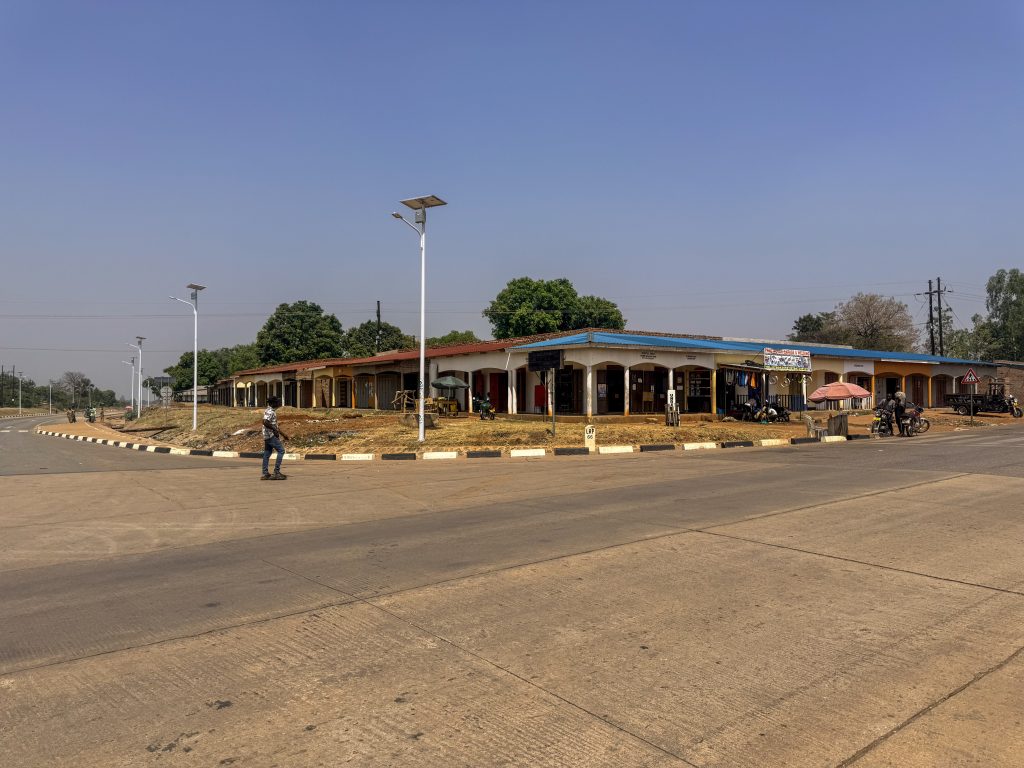
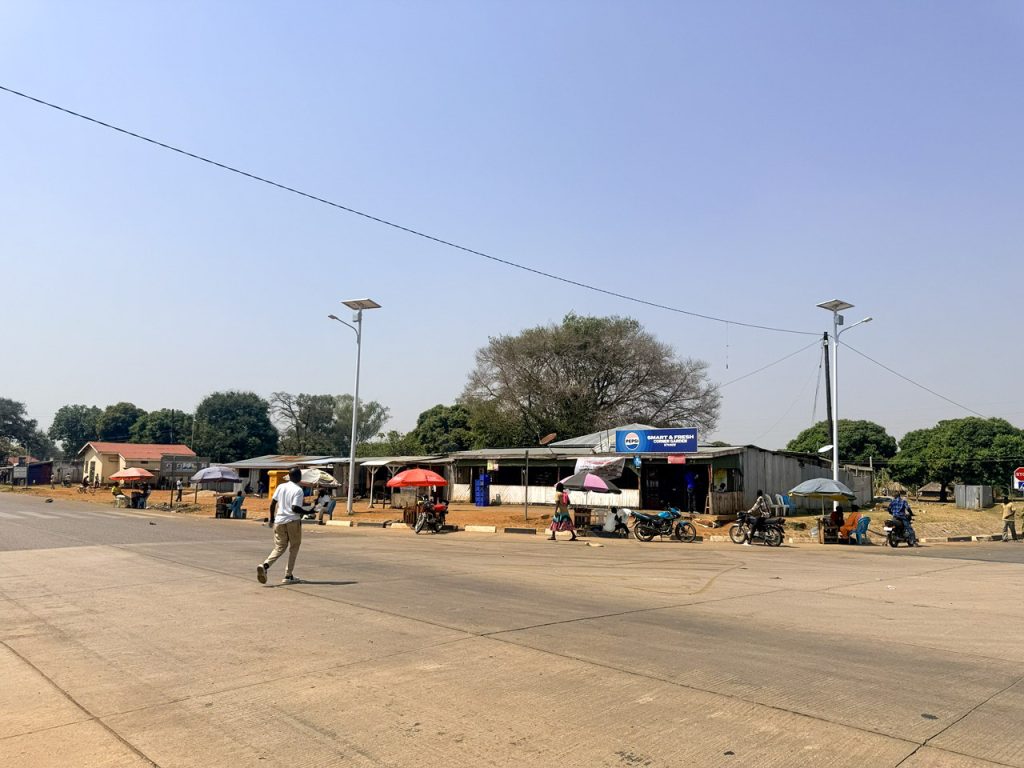
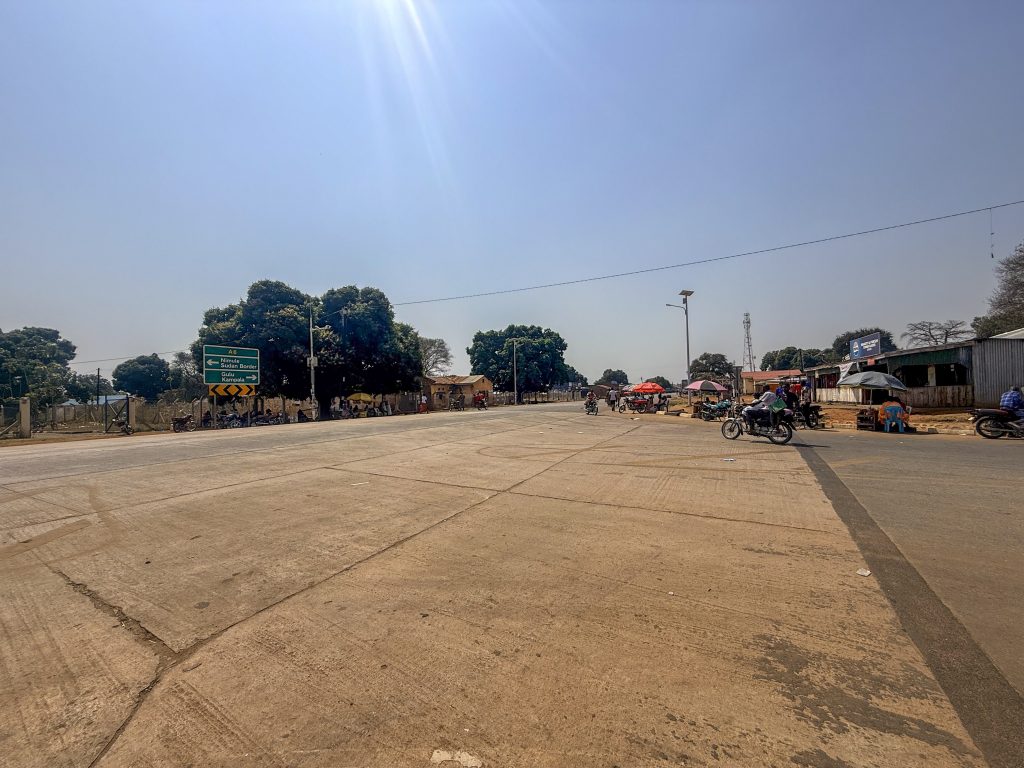
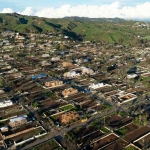
Wide shots of Atiak Trading Centre, looking almost deserted
When the deafening gunfire died down, and the billowing smoke from burnt houses soared into the sky, lifeless bodies were strewn on the ground with visible bullet or stab wounds from bayonets and machetes. Over 300 people were massacred, and hundreds more were injured, with lifelong horrendous memories of what they had just witnessed. The air still holds that silence, the kind that follows terror.
Led by Vincent Otti, the Lord Resistance Army (LRA) stormed the Atiak Trading Centre, overpowering the Uganda People’s Defence Force unit stationed there. They rounded up hundreds of women, men, students and children and marched them about nine kilometres into the bush.
At the banks of Kitang stream, Ayugi valley, the captives were categorised into two groups based on their age and sex. After a brief harangue, Otti ordered his rebel soldiers to open fire on a helpless group of about 300 men and boys as the women and children witnessed. As if to mock their utmost shock and despair, they were asked to applaud the LRA. They then randomly abducted youth and forced them to serve as combatants and sexual slaves.
Three decades later, the wounds are still fresh. The massacre site, a few kilometres from the trading centre, stands as a stark reminder of the scars bravely borne, but with blame apportioned to different factions. Although an annual memorial service is held, residents have lost interest in attending them, saying these occasions have consistently turned into political crusades.
Scarred by this memory, locals have increasingly tried to move past this. With calls to the government to reparate the different categories of the survivors – the orphaned children, adults who inherited orphaned children, and the disabled. A tour across this area exposes the stinging cascade of ruin.
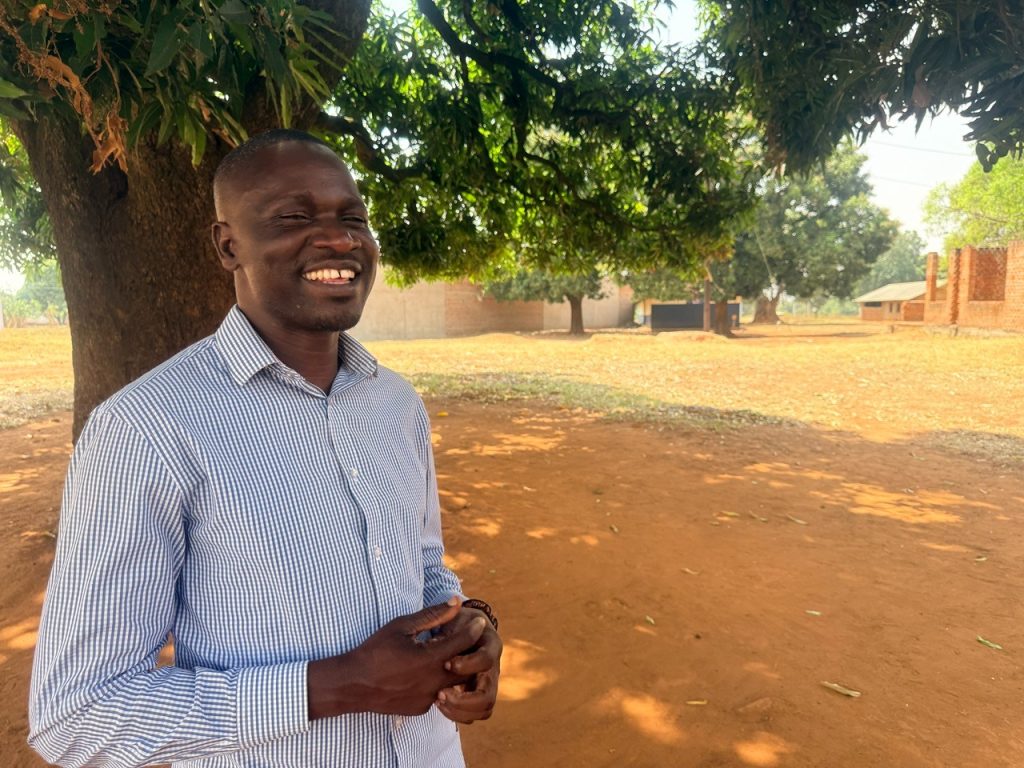
According to the Atiak Town Council Mayor, Kenneth Okot, the government made several promises to compensate and support the Atiak Massacre survivors, but little to nothing has been done so far.
“Atiak has suffered greatly since it sits at the epicentre of the insurgency, leading to public service breakdown and the economic collapse of the region, as people were either killed or they fled,” he recounted, with an empty gaze
His voice slowed, almost breaking, soft with the disbelief that he had survived. He was about 7 years old and was sleeping in one of the shops when the rebels tore through. He crawled under the shop’s cabinet as they looted; his heart thudding while the chaos roared.
“Today, those in the agricultural sector continue to struggle using traditional farming methods, hand hoes and simple farming tools that hardly yield much produce,” he adds with the composure of a leader.
From trauma to resilience
As the community continues to forge ahead, agriculture has emerged as a pathway to recovery – yet healing remains uneven. Traditional crops fail and economic hardships increase, forcing residents to abandon farming for alternative, often less stable, income sources. Nonetheless, some survivors are rebuilding through climate-smart practices, such as goat rearing and improved farming methods suited to shifting weather patterns.
Madalena Atto, aged 70, survived physical torture, but the emotional scars still define her daily life. Before the IDP camps were established in Atiak, she spent countless nights hiding in the bush to avoid abduction or death at the hands of the rebels.
“Every evening, we left home to sleep in the bush, then returned at dawn,” she recalls softly. “I cooked in haste and hid again.” Her voice trembles under the weight of memory – the screams, the smoke, the blood, the lifeless bodies, and the silence that followed.
Today, she faces another kind of war, silent but just as threatening. The trees are gone, the rains unreliable, and the soil exhausted. With crops failing, families now choose between eating today or going hungry tomorrow.
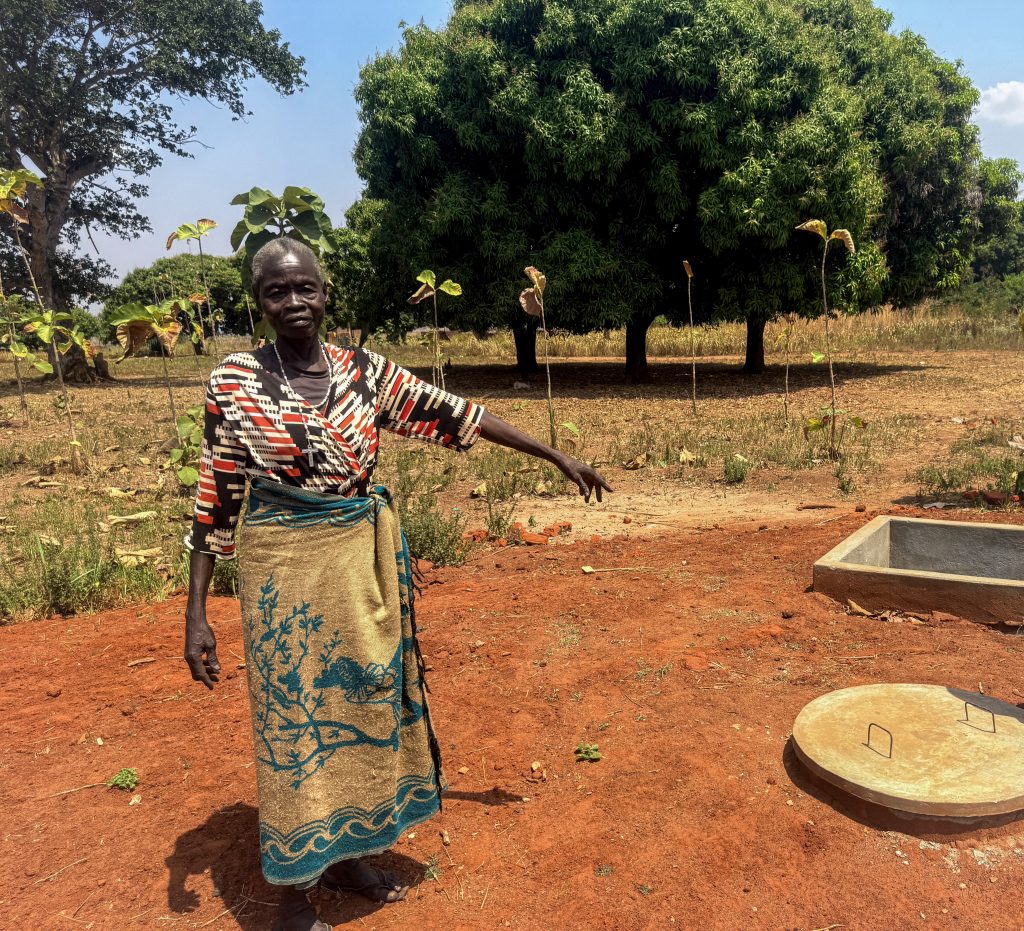
When farming no longer sustained them, Atto and her peers turned to hybrid goat rearing. The goal was to find an alternative source of livelihood as the unpredictable seasons continue to affect food security.
“I buried six of my children after returning from the settlement camps; some to accidents, others to diseases,” she says. “My life depends on the three children I am left with; I hope this goat project will help me keep them in school.” Her eyes, dulled by years of grief, still carry a quiet shimmer of hope, the kind that speaks of endurance more than sorrow.
For Esther Foni, the struggle is familiar. “We have been struggling since we left the IDP camp,” she laments. “Sometimes the rains are too heavy, other times they don’t come at all.” Like Atto, she now relies on hybrid goats and a few dairy cows to sustain her family. She has also planted three acres of pine trees, waiting for harvest.
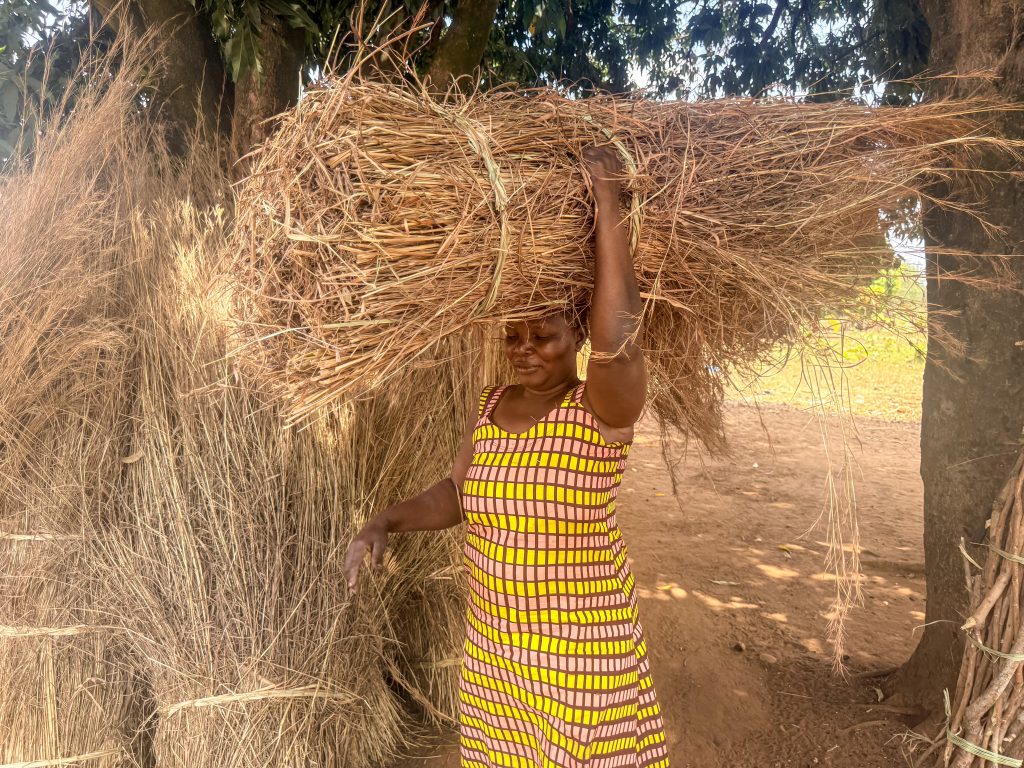
But the extreme heat continues to haunt her. “During the dry season, all our streams dry up,” she says. “We walk long distances to find water for our goats.” She believes government support, especially solar irrigation, could help smallholder farmers survive the climate shocks.
While she hopes to rebuild her life through climate-smart farming, her memory goes back to a devastating heat that killed her cow four years ago.
Her husband, a retired UPDF soldier, was given a dairy cow as part of a reintegration package. Four years ago, it died from the searing heat while pregnant.
Both Atto and Foni belong to the BENAAPS farmers’ group, nestled about two kilometres from Atiak Trading Centre, in Lukulia Village. The cooperative manages a one-acre farm that now serves as a model for climate-smart livestock production.
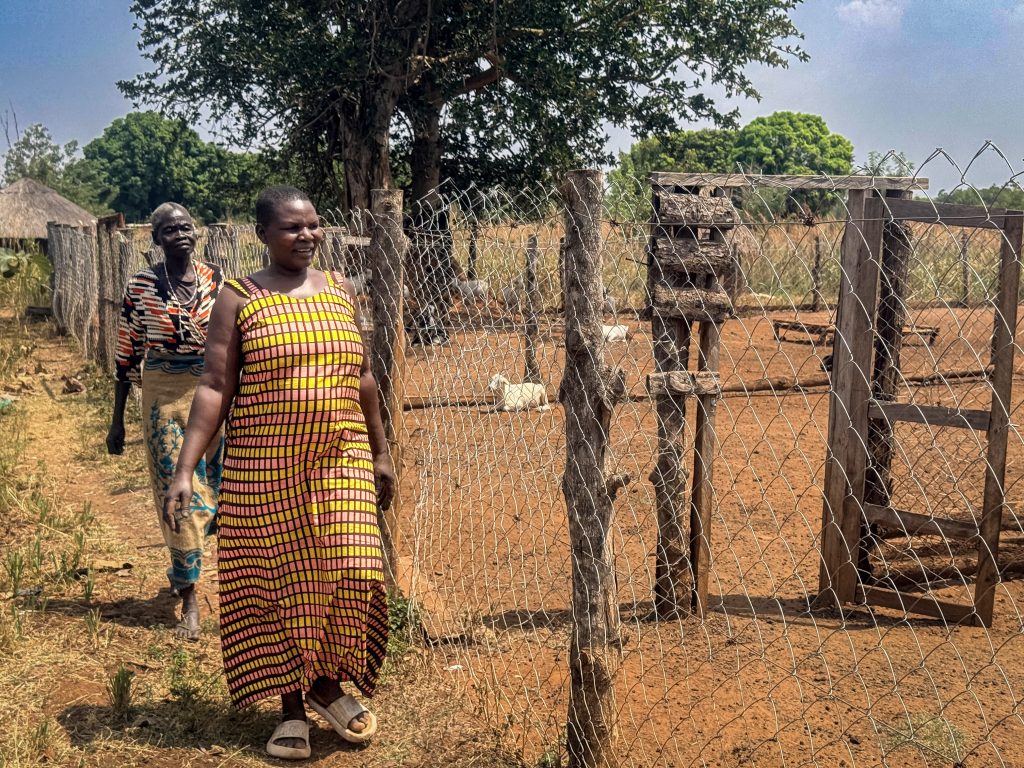
Here, a fenced one-acre farm is emerging as a model for climate-smart livestock production in the region. The wooden goat pen, stretching 25 meters long and 4 meters wide, is neatly partitioned into four sections – one reserved for lactating goats and three for resting. Around it, three feeding stations and two watering points support the animals, while two additional acres serve as open grazing land.
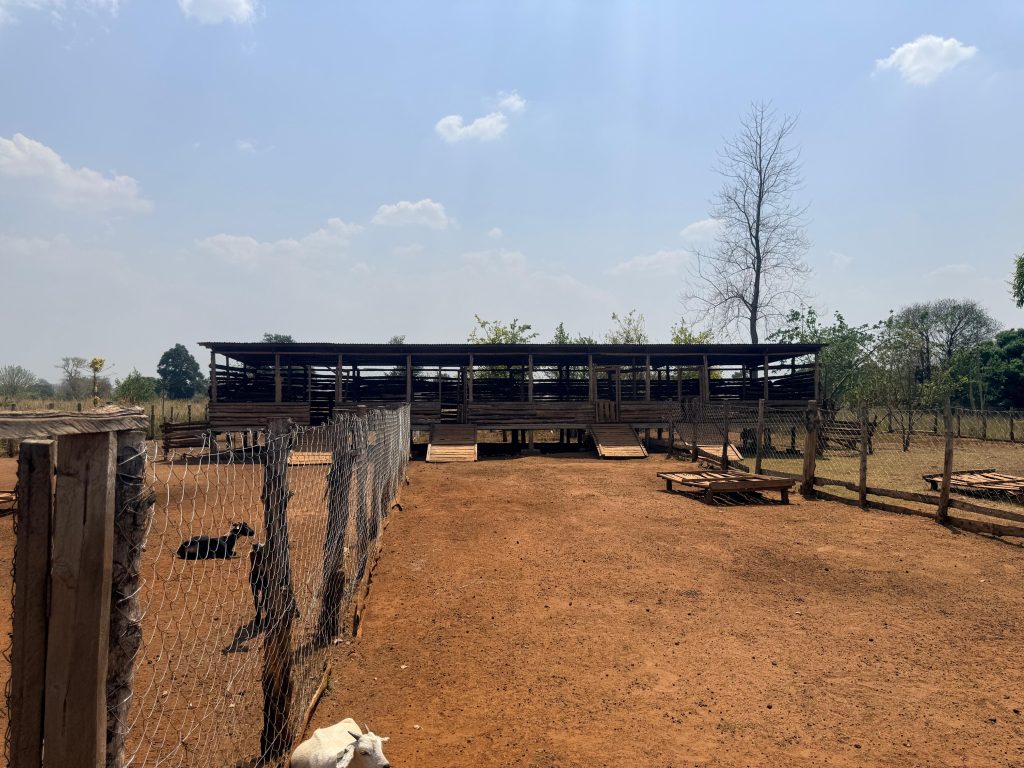
Inside the enclosure, 50 goats bleat softly under the watchful care of the local farmers’ group led by Charles Ayella. The initiative offers more than just income; it’s a lifeline for families grappling with unpredictable weather and vanishing farmland.
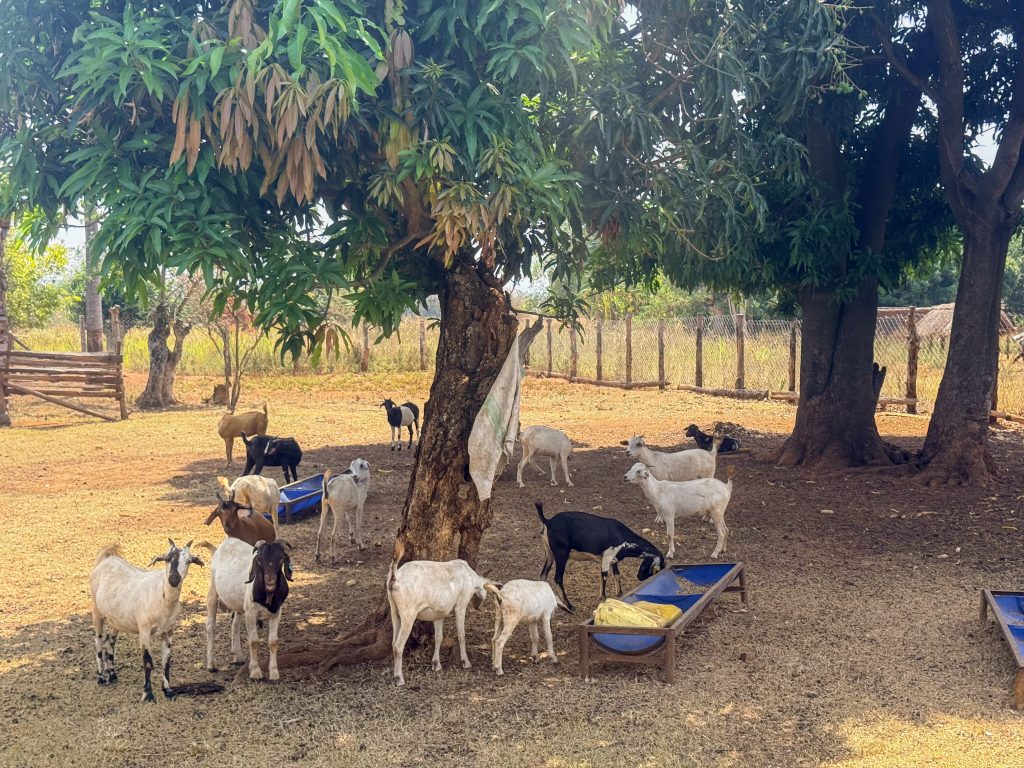
“Urban expansion has reached areas where most of us now live, leaving little room for traditional farming,” Ayella says. “But goat rearing needs far less space. This farm shows that even within urban zones, agriculture can thrive.”
The project was launched through a partnership with Climate Smart Jobs (CSJ), a UK-funded initiative in Uganda focused on strengthening agricultural resilience to climate change through climate-smart agriculture.
The initiative follows a co-investment model, where the members raised 9 million from the Parish Development Model loan courtesy of the government, 1 million from the village savings and CSJ provided 50 goats, including 48 females and two males.
The farmer group plans to sustain itself through sales of goats and by-products such as manure. Under the revolving fund arrangement, 40% of annual proceeds will be reinvested in the project, with repayments beginning two years after inception, following CSJ’s implementation guidelines
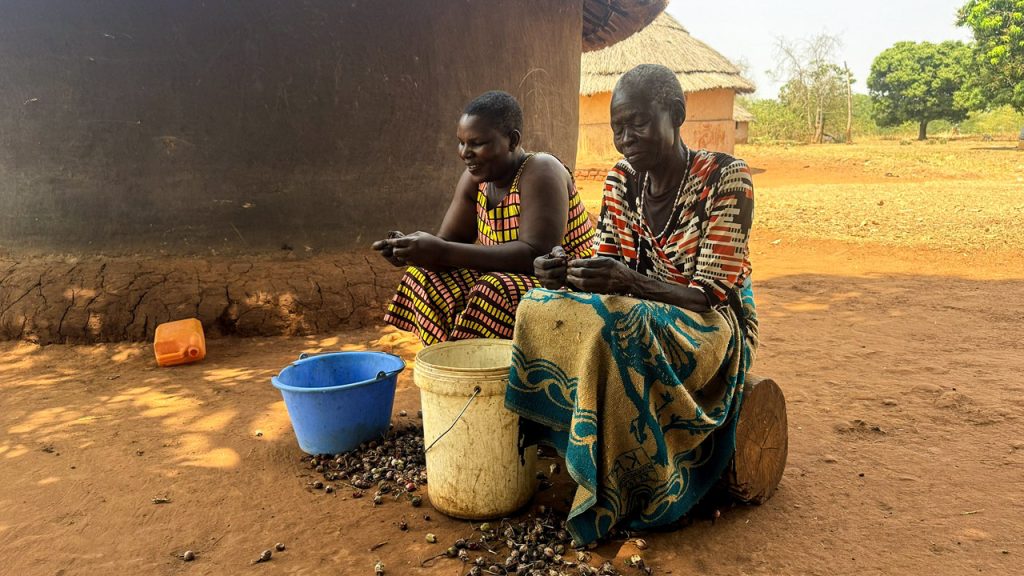
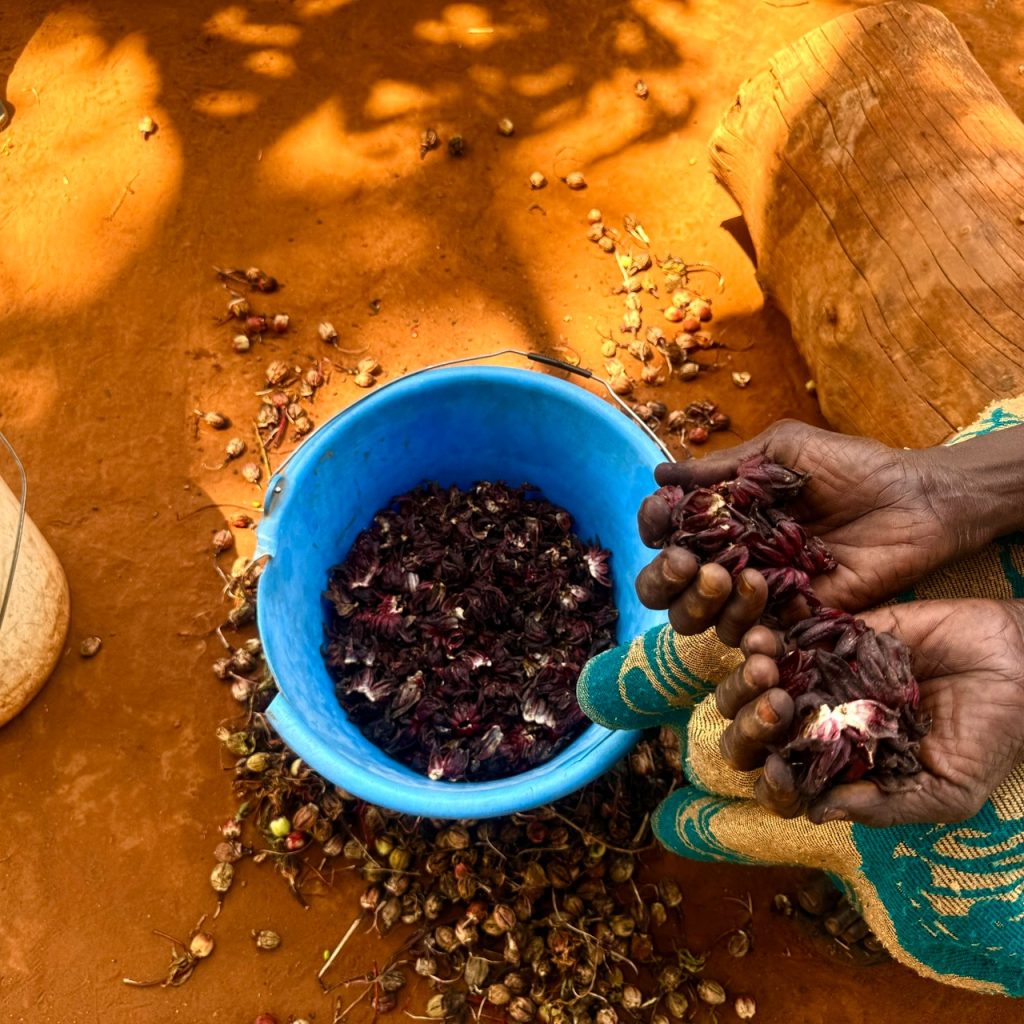
According to Jacob Olweny, the Intervention Manager from CSJ, climate resilience and sustainability stand at the heart of this model. He explained that each farmer group must first be formalised before receiving support. “Once they’re registered by the Uganda Registration Service Bureau (URSB), they put together their contributions, and the program co-shares a certain amount to get them started,” he said.
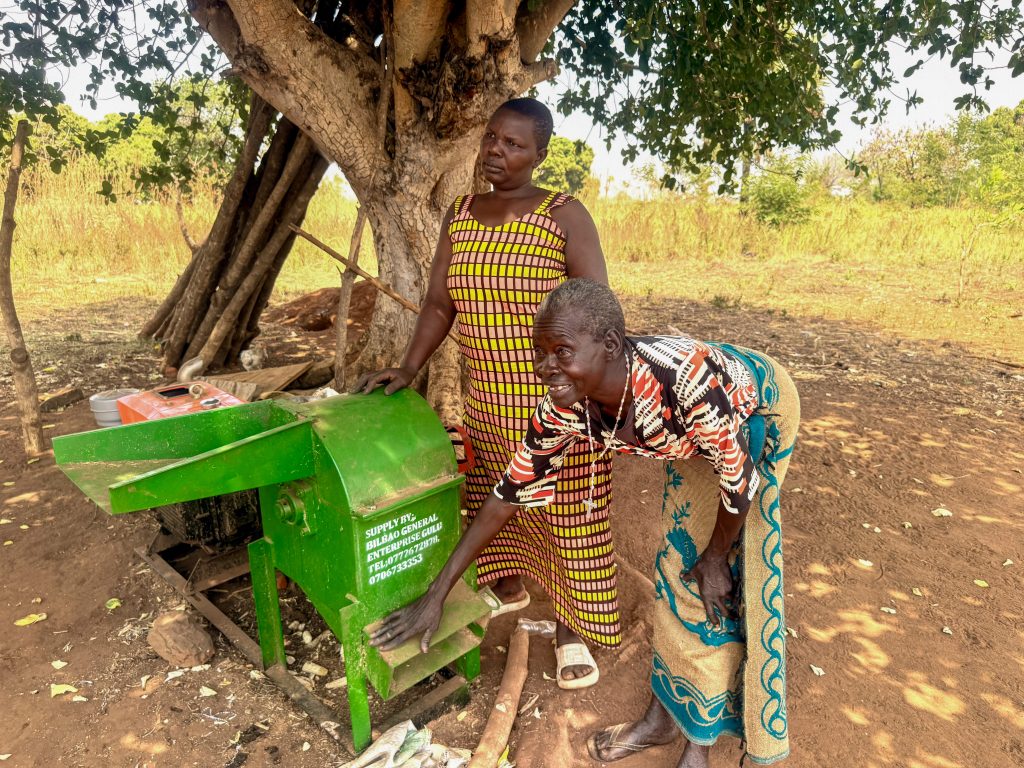
Under this model, groups contribute 30 percent of the startup costs, while CSJ contributes 70 percent half of which is refundable over time. The combined funds go into building standard goat pens, procuring local female goats and Boer breeding males, and setting up a hammer mill to process feed from maize stalks, leaves, and crop residues.
“We work with about fifty local does (females goats) and two improved Boer ducks per group,” Olweny explained. “The goal is to produce crosses that are at least fifty to seventy-five percent Boer, which are faster-growing, more resilient, and more valuable at market.”
The program anticipates around a hundred offspring a year from each group, with farmers selling young goats to neighbours, spreading improved genetics across the community.
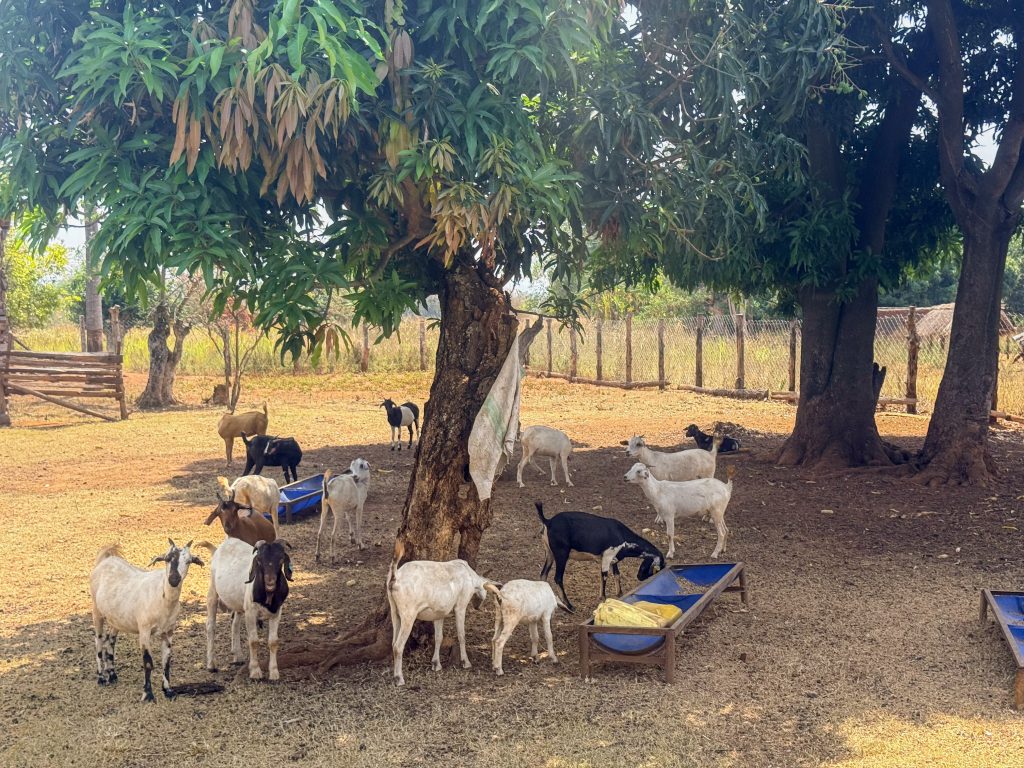
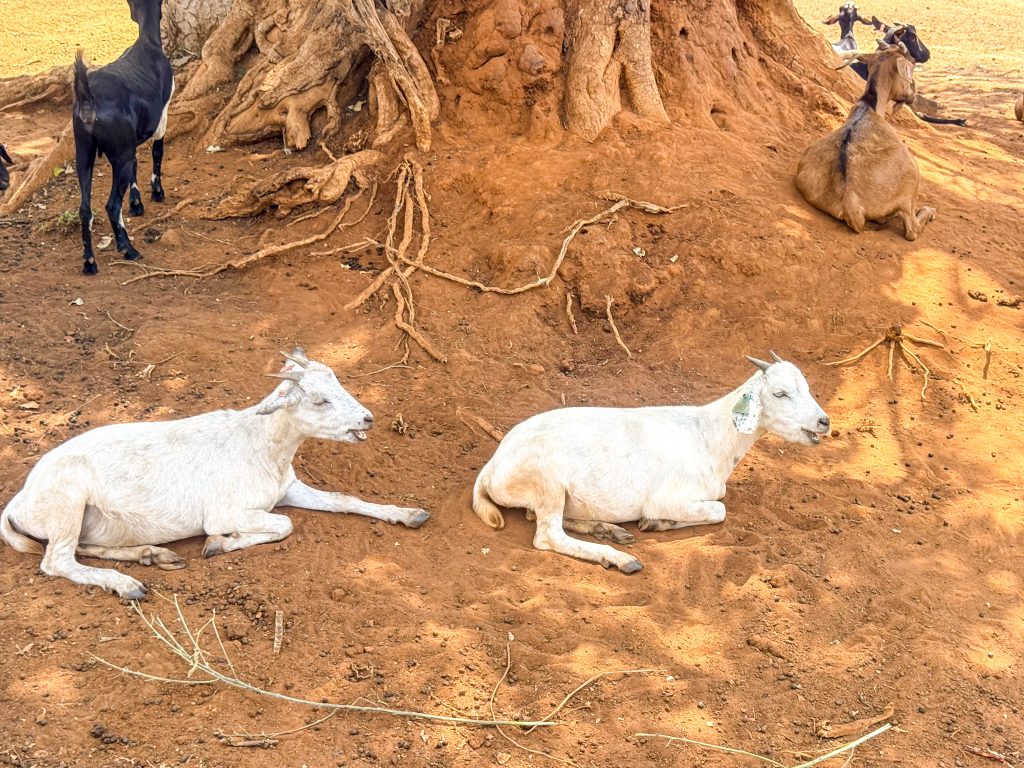
The group was trained by CSJ in November 2023 on the specifics of how to do this hybrid goat breeding with emphasis on working in groups of not more than 20 people due to the high initial cost, for efficiency, teamwork and coordination.
On the question of the motivation behind this project, Jacob says, “There is a high demand for goats and a low supply locally, and this gap can only be bridged when farmers get involved in improved breeds.”
He further explains that many people have realised how beneficial this project is, as well as how easy it is to access and acquire proper breeds. For this reason, lots of farmer groups and suppliers have expressed interest in the project. “We hope that this model will be adopted by several smallholder farmer groups because it’s easier for members to pool resources and together invest, which would have otherwise been challenging to implement individually.”
CSJ is currently working with over 10 farmer groups on the goat breeding projects across Langi, West Nile and Acholi regions and conducts regular veterinary assessments to monitor their growth and health.
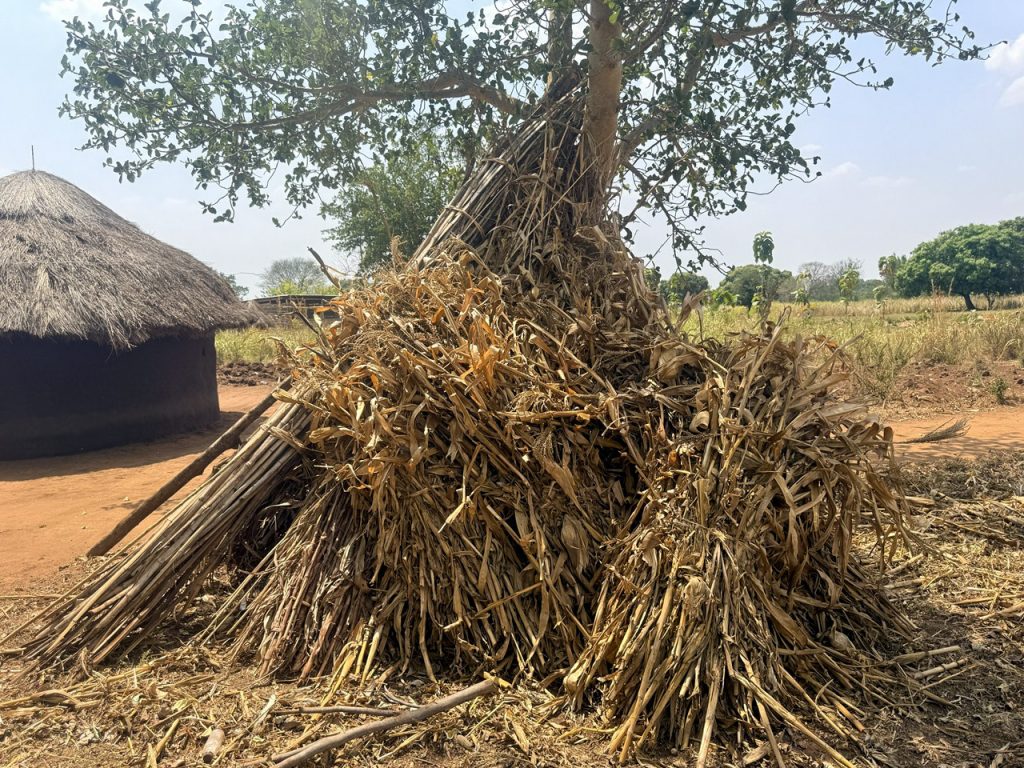
For Beatrice Alal, the group’s secretary, this project has become a dependable source of livelihood amid the uncertainties of climate change.
“We used to grow sorghum, sesame seeds, and cassava,” she explains. “But the rains failed us season after season. We’d spend about UGX 300,000 per acre and harvest barely a basin of sesame. Informing our shift to goat rearing.”
Now she says, “Our partnership is promising because CSJ does follow-up assessments on the goats’ health and offers us further training on feeding and record keeping. Much as we have not started benefitting from the project, we are hopeful that our labour will soon bear fruit,” she adds, her face lighting up with cautious optimism.
To further strengthen the farm’s sustainability, CSJ recently installed a biogas system that converts goat dung into clean energy. The system reduces reliance on firewood and charcoal – curbing deforestation while providing an efficient way to manage animal waste. The by-product, a nutrient-rich slurry, is also being used as an organic fertiliser for nearby vegetable gardens, cutting farmers’ input costs and boosting soil fertility.
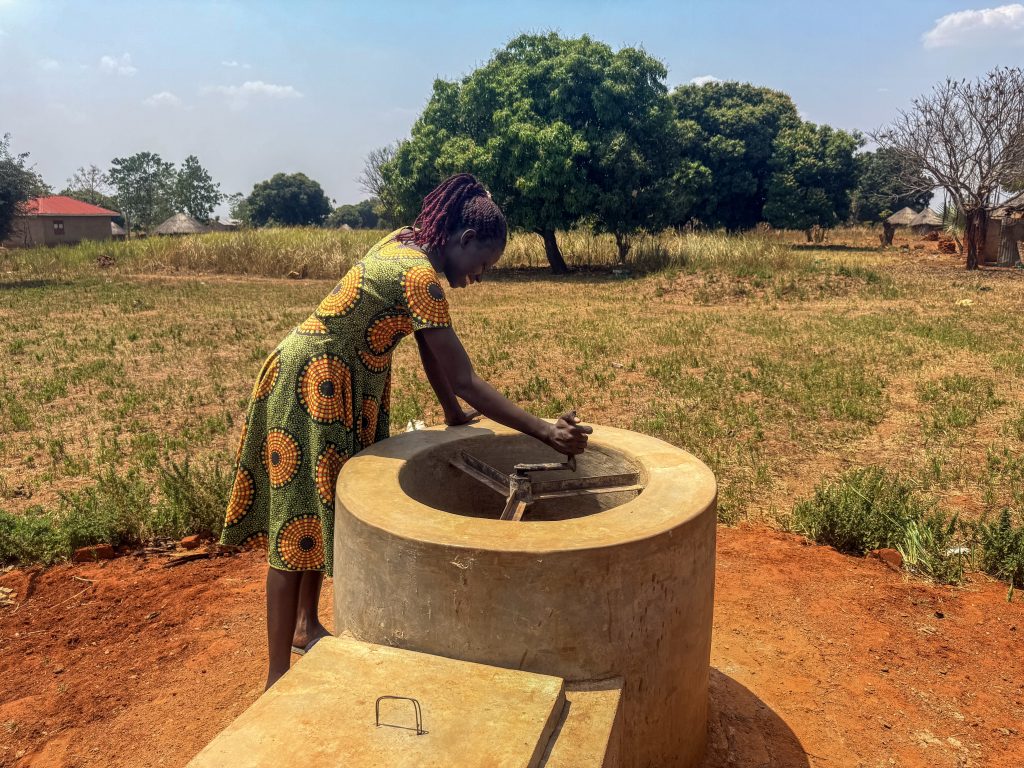
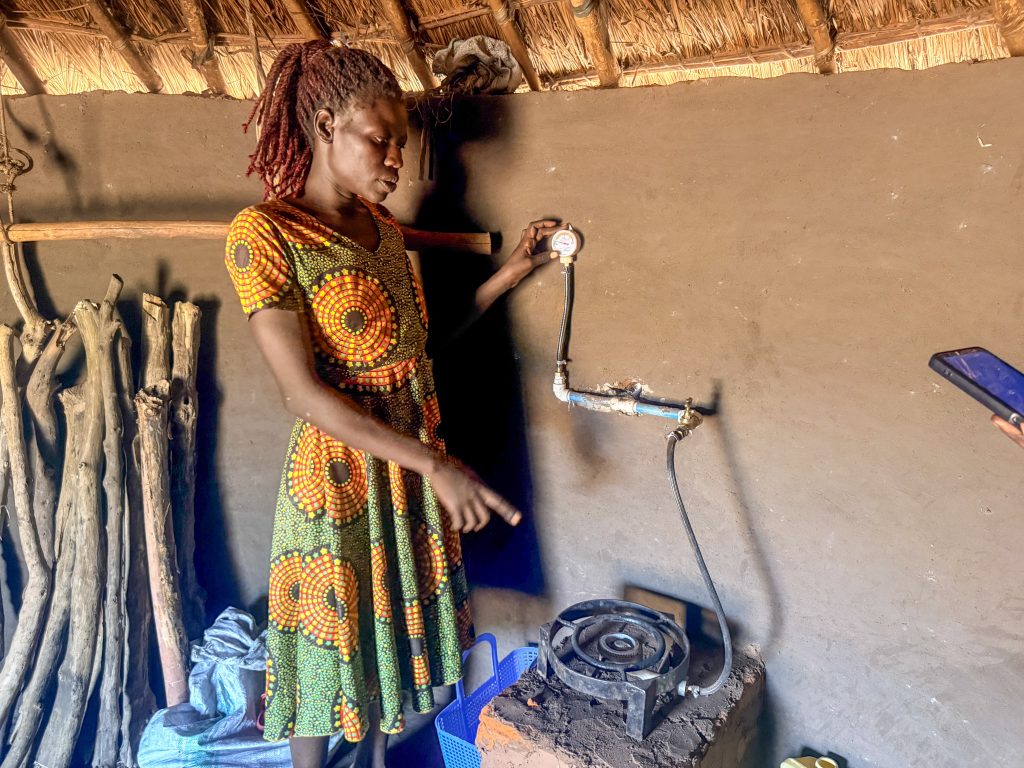
It also eases farmers’ daily work, like Alal’s. “We no longer waste anything,” she says proudly. “The goats give us milk, manure, and now energy. It’s a complete system that supports both the environment and our livelihoods.”
The Chairperson Atiak Town Council, Kenneth Okot, calls the initiative a “ray of hope” and proof that a community once broken by war can rebuild through innovation. “This project shows what’s possible when farmers take charge of their future,” he says. He urges the government and partners to expand such models, ensuring more households build resilience in the face of a changing climate.
“As we sensitise survivors to focus on self-development and productivity, I urge other development partners to take up more farmer groups to support climate-smart agriculture.”
Seeds of Hope
As the sun dips low over Atiak, the goats bleat softly, a bicycle rattles down the dusty road, and the sparse trees stir in the gentle evening wind. Life moves slowly here, shaped by scars but carried forward by quiet determination. Survivors tend their farms, care for their children, and navigate the uncertainties of the land and the changing seasons, each day a test of endurance and patience.
For Madalena Atto, Esther Foni, and other members of the BENAAPS farmer group, every small victory counts – a healthy kid born on the farm, a child completing another school year, a tree finally taking root, the certainty of the next meal. In a place that has seen so much loss, these moments are proof that life persists. Hope, like the resilient shoots in the dry soil, finds a way to grow, season after season, even in the harshest of times.
This story was supported by ACME (Africa Centre for Media Excellence) in partnership with Climate Smart Jobs Uganda (CSJ). Contributions to the story were made by Simon Wokorach, a Freelancer at Uganda Radio Network, Gulu City, Uganda and Data Visualisations by Racheal Pakrwoth, a Data and Editorial Associate at InfoNile.